What Happens to Your Body in the First 7 Days
From your lungs to your heart, see the exact changes that start happening in your body in just one week and how Unpuff is designed around these first crucial days.
What Happens to Your Body in the First 7 Days After You Quit Smoking (And Why Those Days Matter So Much)
When people talk about quitting smoking, they usually jump straight to the long term: lower risk of cancer, heart disease, and strokes.
That’s important but when you’re staring down Day 1, it feels very far away.
What doesn’t get talked about enough is this:
your body starts changing for the better within minutes of your last cigarette.
And in just the first 7 days, a lot is already happening inside you.
If you’re thinking about quitting or you’re in that rough first week this guide walks you through what’s happening to your body, why you might feel the way you do, and how to survive those crucial early days.

20 minutes after your last cigarette
Your heart rate and blood pressure begin to drop back toward normal. Nicotine is a stimulant, and your heart has been working harder than it needs to. As nicotine starts to leave your system, your cardiovascular system finally gets a small break.
8–12 hours
The level of carbon monoxide in your blood starts to decrease. That leaves more room for oxygen the thing your organs actually need. You may not feel a dramatic difference yet, but inside, your body is already shifting from “damage” to “repair.”
24 hours
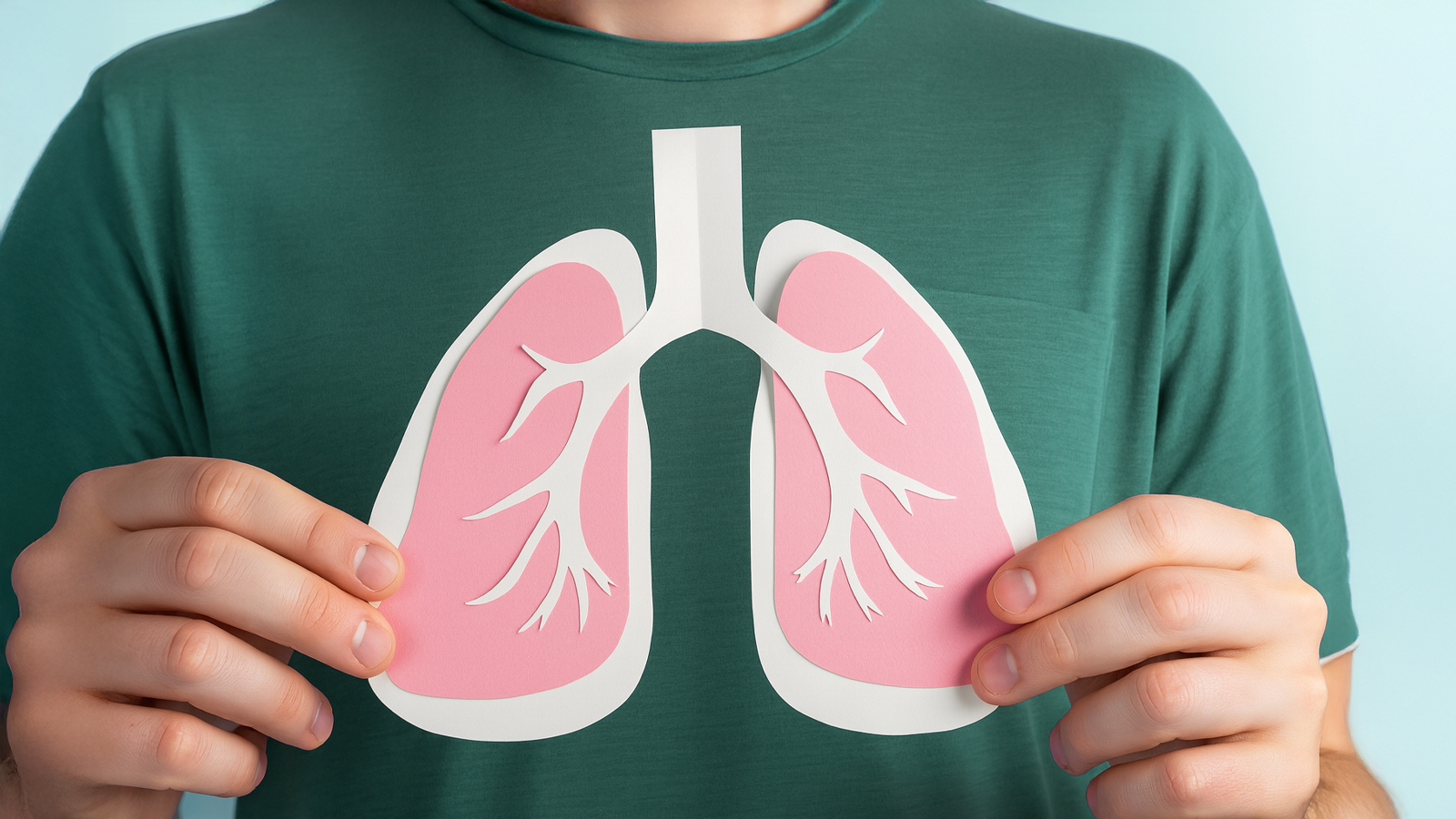
Your lungs begin working more actively to clear out mucus, tar, and smoke residue.
Some people notice more coughing at this stage. That can be worrying, but in many cases it’s actually a sign your lungs are trying to clean themselves.
After just one day, your body has already taken several important steps toward recovery.
Around the 48-hour mark, nicotine is mostly out of your system.
On the positive side:
On the challenging side:
This isn’t a sign that you’re “weak” or “bad at quitting.” It’s a sign that your brain has adapted to regular nicotine and is now reacting to the sudden change.
This is also where many quit attempts collapse not because the person doesn’t want it badly enough, but because withdrawal is real and they don’t have a plan for it
Days 3–4: The Rough Patch Where Many People Give Up
By Day 3 or 4, nicotine is gone, but the habits and routines around smoking are still firmly in place.
Think about how often cigarettes show up in your day:
During this period you might notice:
This is a difficult phase because you’re dealing with two battles at once:
The temptation to say “I’ll just have one” can be strong. The key is understanding that:
Cravings come in waves. They peak, and they pass.
Each time you ride out a craving without smoking, you’re training your brain and body to function without nicotine. It may not feel like much at the moment, but it’s a powerful step.

Days 5–7: Early Wins Start to Appear
By the end of the first week, many people begin to notice small but real improvements:
Your circulation is improving and your lungs are starting to recover. You might not feel “brand new,” but you are no longer at zero you’re already building momentum.
Every cigarette you didn’t smoke this week is:
These small wins are exactly what carry you into Week 2 and beyond.
“If My Body Is Healing… Why Do I Feel So Awful?”
The first week can feel confusing.
Physically, your body is starting to heal.
Mentally and emotionally, it can feel chaotic.
You may experience:
None of this means quitting was a bad decision. It means:
This is exactly why quitting with willpower alone is so hard. It’s not just about saying no it’s about having tools to handle what comes after that “no.”
Practical Ways to Survive the First 7 Days
You don’t need to be perfect. But a bit of planning makes Week 1 much more manageable.

Cravings typically rise, peak, and fall within a short period.
When a craving hits:
Often, by the time you’ve done this, the intensity of the craving has already dropped.
Pick two or three key moments where you always smoke:
For this week, deliberately swap the cigarette for something else:
You’re teaching your brain: “In this moment, we do something different now.”

You will very likely have at least one bad day in the first week.
Maybe work is stressful, someone annoys you, or you just wake up feeling “off.” On those days, your brain might try to convince you that quitting is pointless.
Plan your response in advance:
“If I slip, I will treat it as a bump not the end. I will learn from it and keep going.”
A slip doesn’t erase progress. What matters is what you do next.
Your body is healing even when you can’t see it, but tracking progress can keep you motivated:
The more you can see your progress, the easier it is to keep going when the novelty wears off.
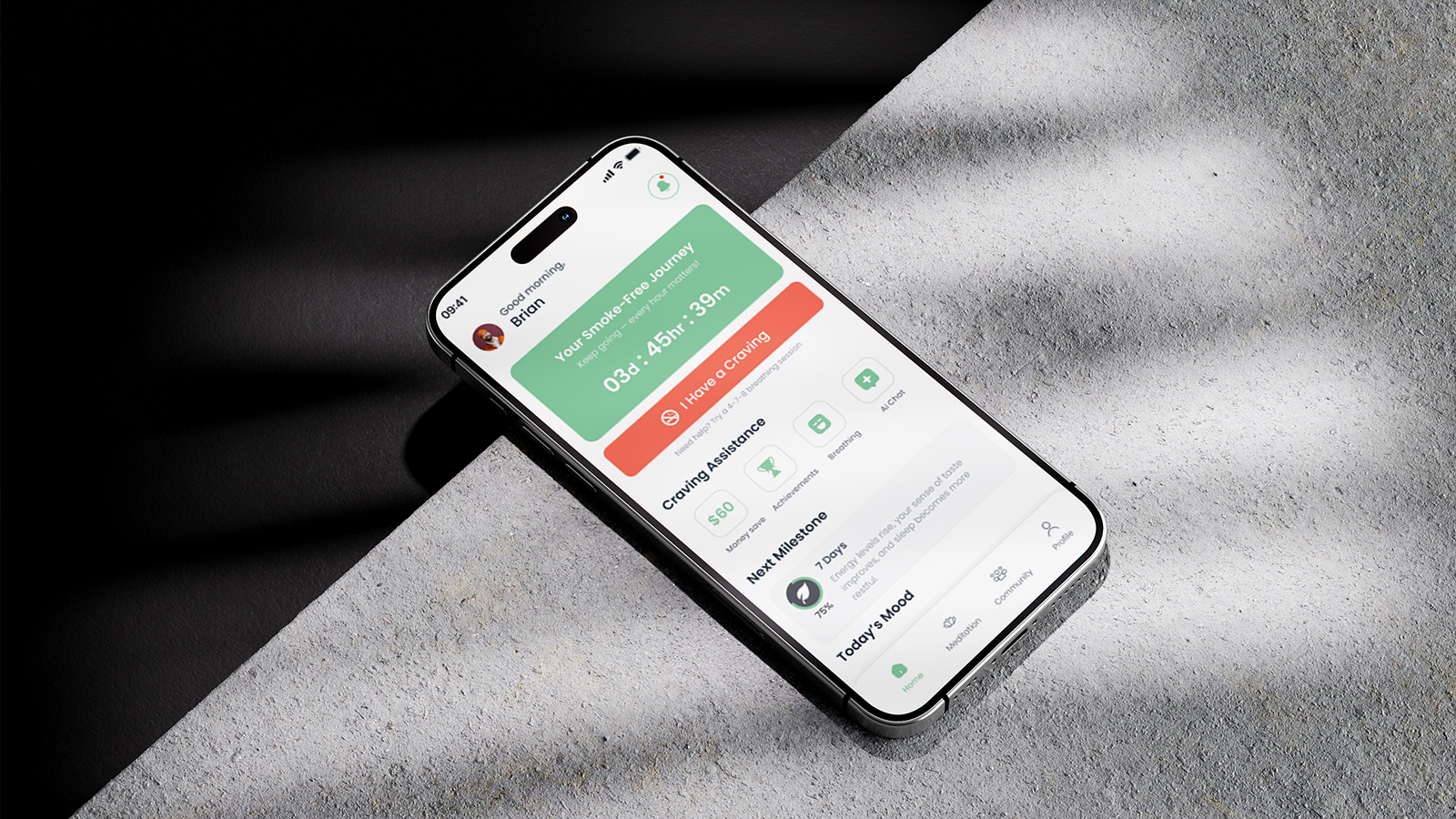
The first 7 days are some of the most important and most challenging of the entire journey. That’s exactly what Unpuff is designed around.
Here’s how the app fits into what you’ve just read:
When an urge hits, you don’t have to rely on willpower alone. Unpuff gives you quick, guided tools you can use in the moment, so you have something to do other than reaching for a cigarette.
Instead of “just stop smoking,” you get clear, manageable steps for each day. That can mean cutting down, changing routines, or preparing for specific triggers.
Unpuff tracks things like smoke-free time, cigarettes avoided, and money saved, so you can watch the benefits build up from your very first week.
If you slip, Unpuff doesn’t shame you. It helps you understand what happened, adjust your plan, and get back on track. One bad moment doesn’t need to become a full relapse.
Your First 7 Days Are More Powerful Than You Think
You don’t have to be perfect. You don’t have to feel amazing every day. You don’t even have to believe 100% that you’ll never smoke again.
You just have to get through this week, one craving and one decision at a time.
Inside your body, repairs begin within minutes. By the end of the first 7 days, you’ve already given your heart, lungs, and future self something incredibly valuable: a real chance.
If you want support, structure, and in-the-moment help while your body does that work, Unpuff is here to make those first 7 days and every day after easier to handle