Real Signs Your Body Is Healing After You Quit Smoking
When people talk about quitting smoking, they usually focus on long-term benefits:

When people talk about quitting smoking, they usually focus on long-term benefits:
Those are all true and important. But when you’re in the middle of quitting, they can feel a bit distant and abstract.
What most smokers really want to know is:
“When will I actually feel a difference?”
The good news is that your body starts healing sooner than you think. Some changes are subtle, some are obvious, and many of them show up in everyday moments you might not expect.
This article walks you through the real-life signs your body is recovering, the ones you can actually notice in your breathing, energy, sleep and day-to-day life.

Your Lungs Start Cleaning House
If you’ve smoked for a long time, your lungs have been constantly irritated by smoke, tar and chemicals. Tiny hairs in your airways, called cilia, are responsible for moving mucus and debris out of your lungs. Smoking damages them and slows everything down.
When you quit, those cilia start coming back to life.
At first, this doesn’t always feel good. You may actually cough a bit more for a while. That can be scary if you’re expecting everything to suddenly feel light and clear, but in many cases it’s a sign your lungs are starting to clear things out.
Over time, the cough often changes. It becomes less tight and less constant. You might notice:
It’s not magic. It’s your lungs slowly doing the job they were always meant to do, without being attacked by smoke all the time.

Breathing Stops Being a Struggle
Many smokers get used to feeling slightly out of breath and only really notice it in certain situations: walking up stairs, hurrying for the bus, carrying shopping bags, playing with kids or pets.
After you quit, improvement in breathing doesn’t usually arrive as a dramatic “before and after” moment. It creeps in.
You might realise you’ve just climbed a flight of stairs and didn’t have to pause halfway. You might notice you can walk and talk at the same time without having to catch your breath. Maybe you reach the top of a hill and you’re surprised that your chest doesn’t feel as tight.
These small changes are your lungs and heart quietly thanking you. Your body doesn’t have to work as hard to push oxygen around, so simple movements stop feeling like such a challenge.
Your Energy Starts Coming Back

Nicotine tricks you into thinking it gives you energy. In reality, smoking pushes your body and cardiovascular system harder, interferes with oxygen delivery, and damages your sleep over time.
When you quit, you don’t suddenly wake up bursting with energy every day. But many people notice that:
You might find you can do one more thing in your day without it feeling impossible: a short walk after dinner, a bit of tidying, playing on the floor with your kids, or focusing for longer at work.
That doesn’t mean you never feel tired, life is still life. But you’re no longer dragging around the constant background fatigue that comes with smoking.
Food, Smell and Taste Change – Often in Surprising Ways
Smoking dulls your sense of smell and taste. It happens gradually, so you rarely notice it while it’s happening.
After quitting, many people are surprised when food and drinks start to taste different. Coffee, fruit, chocolate, even simple things like toast or a favourite snack suddenly have more flavour. You pick up on spices, sweetness or freshness you’d stopped noticing years ago.
The same happens with smells. Sometimes this is pleasant (fresh air, clean laundry, someone’s perfume). Sometimes it’s not (stale smoke on other people, old odours in places you used to frequent). Either way, it’s a sign your senses are waking up again.
Those changes might feel small, but they’re a daily reminder that your body is no longer numbed in the way it used to be.
Your Skin and Appearance Begin to Shift

Smoking can speed up the visible signs of ageing: dull skin, uneven tone, more pronounced lines around the mouth and eyes. Reduced oxygen and repeated damage from toxins make it harder for your skin to repair itself.
Quitting doesn’t turn back the clock overnight, but you may notice:
People around you may notice before you do. It’s common for someone to hear, “You look fresher,” or “You look healthier lately,” without having changed anything except their smoking.
You also start to smell different, in a good way. Your clothes, hair and car no longer hold that constant smoke scent, and that alone can make you feel more confident and comfortable.
Sleep Begins to Settle Down

Smoking and nicotine can interfere with your sleep rhythm. Withdrawal can also make sleep difficult in the early days after quitting. You might toss and turn, wake up more often, or have strange dreams.
That doesn’t mean quitting is bad for your sleep. It means your body and brain are adjusting.
As time goes on, many people find their sleep becomes:
Better sleep ties directly into how you feel the next day: your mood, your patience, your concentration and your ability to handle stress all improve when you’re better rested. Quitting helps remove one of the things that has been quietly harming your rest for years.

Your Heart Starts Getting a Break
You might not feel your heart working, but it definitely feels the impact of smoking.
Nicotine and carbon monoxide force your heart to work harder, narrow your blood vessels and reduce the quality of the oxygen reaching your tissues. When you stop smoking, your heart rate and blood pressure start moving back toward healthier levels. Circulation slowly improves.
In day-to-day life, this shows up as:
Even if you’ve smoked for many years, your heart still benefits when you stop. You’re reducing ongoing damage and giving your body a chance to stabilise instead of pushing it harder every day.
You Start to Feel More in Control

One of the most underrated parts of health and recovery is how you feel mentally.
Smoking often makes people feel trapped: trapped by cravings, by routine, by the fear of going without. When you start to put days together without smoking, you don’t just heal physically. You start to experience a different kind of confidence.
You notice that you can get through a stressful phone call without heading straight for a cigarette. You realise you made it through a full workday without going outside. You see that you can enjoy time with friends, a meal or a drive without constantly thinking about the next chance to smoke.
That feeling – “I’m not controlled by this in the same way anymore”, is a huge part of recovery. It often arrives quietly, but once you notice it, it’s hard to ignore.
Why Tracking Your Recovery Matters
When you’re in the middle of quitting, especially in the early weeks, it’s easy to focus only on what feels difficult: cravings, mood swings, changes in routine.
That’s why tracking your recovery can be so powerful. When you pay attention, you start to see patterns:
Seeing those changes in writing or in an app makes them harder to dismiss. On bad days, you have proof that your effort is doing something real for your body.
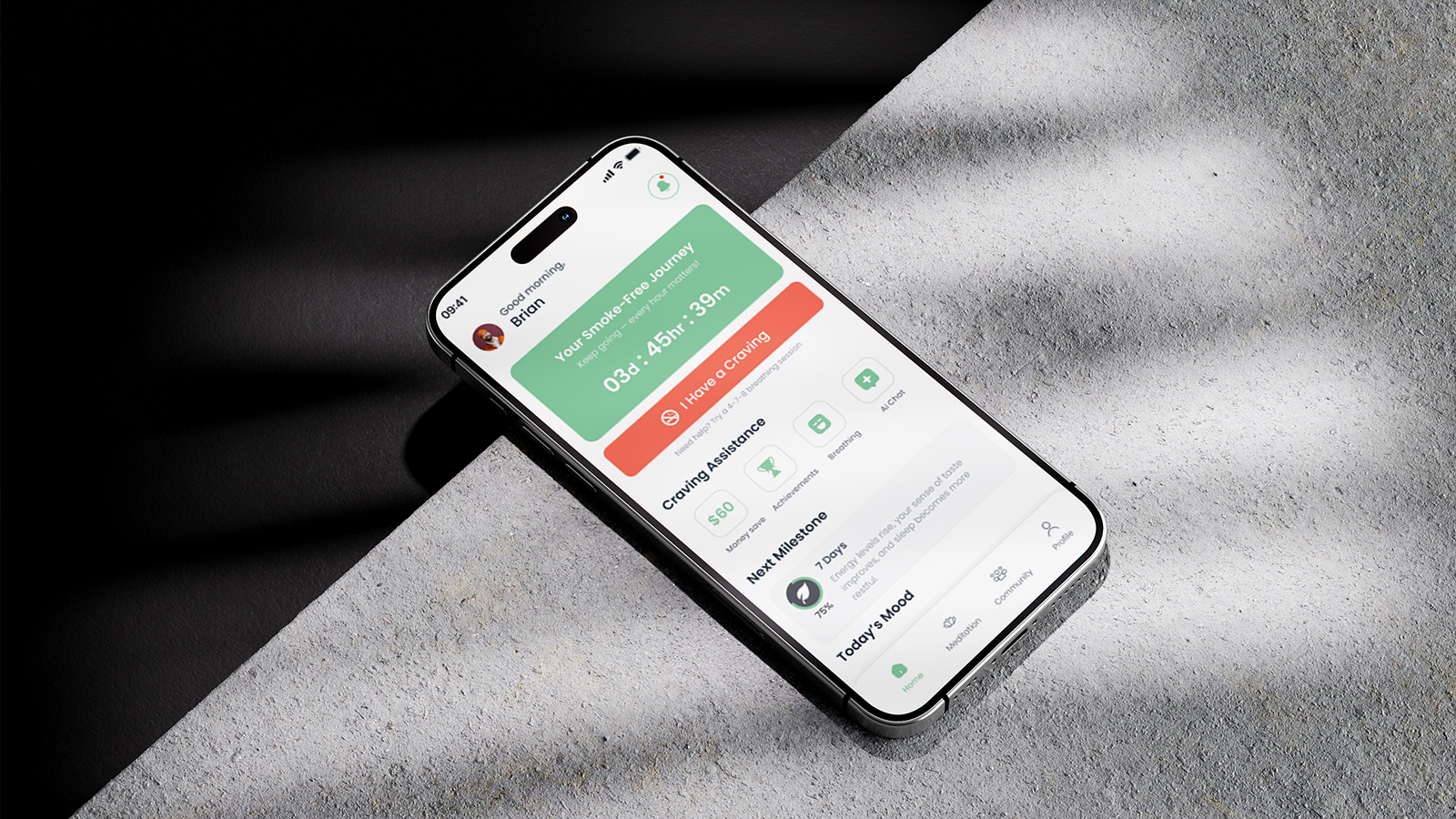
How Unpuff Helps You Notice and Protect Your Progress
Unpuff is designed not just to help you stop smoking, but to help you see and protect the progress your body is making.
Inside the app, you can:
Recovery isn’t just something that happens far in the future. It’s happening in small ways, right now, inside your body.
Quitting gives your lungs, heart, skin, sleep and energy a chance to come back to life. Unpuff is there to remind you of that, especially on the days when it’s hardest to see.