I Woke Up With an Oxygen Mask on My Face – Linda’s Story
I Woke Up With an Oxygen Mask on My Face” – Linda’s Story

My name is Linda, I’m 55, and I woke up in a hospital bed with an oxygen mask on my face, convinced my lungs were about to give out for good.
I’ve been a smoker for most of my life. I had my first cigarette at fourteen, sneaking out behind the school with friends. Back then it felt grown-up, rebellious, almost glamorous. Nobody talks about the part where, forty years later, you’re wheezing just walking to the letterbox.
By my thirties, smoking was just who I was. A “social smoke” after work turned into a pack a day. When I became a mum, I cut down for a while, then the stress brought it right back. I told myself I’d quit when the kids were older, when money was better, when life was less hectic.
The truth is I was always waiting for a better time that never came.

The Night Everything Went Sideways
It started like any winter chest infection.
I’d had a bad cough for a couple of weeks. Nothing new there – I’d had a “smoker’s cough” for years. But this was different. I was short of breath just making the bed. I’d walk from the couch to the kitchen and feel like I’d sprinted. I started sleeping propped up on pillows because lying flat made me feel like I was drowning.
One night, I woke up gasping. Proper, panicked gasping. Every breath felt shallow and wrong, like my lungs were only half working. My chest was tight, my heart was racing. My husband called an ambulance while I tried to convince myself I wasn’t about to die in my own bedroom.
The next clear memory I have is in the hospital. Hard lights. A monitor beeping. An oxygen mask strapped to my face. A nurse saying,
“You gave us a bit of a scare there.”
They told me I had a bad infection on top of already damaged lungs. They threw around words like “COPD risk,” “reduced lung function,” “oxygen levels too low.” I remember one doctor looking me straight in the eye and saying, very calmly:
“If you keep smoking, this is not going to be your last time here. And each time, your lungs will cope less.”
I nodded, but inside, I felt something between terror and disbelief. I knew smoking was bad. I’d seen all the adverts. But something about waking up with a mask on, struggling just to sit up in bed, made it terrifyingly real.

The Fear of Going Home With the Same Habit
Hospital is a strange place. You’re forced to rest. Smoking isn’t an option. It’s easy to tell yourself you’re “clean” now and it’ll be fine.
But as the infection started to clear and the doctors talked about sending me home, a new fear kicked in.
I pictured myself standing outside the back door, lighter in hand, coughing my lungs out and doing it anyway. I pictured my grandkids looking at me with that mix of curiosity and worry kids have when they see oxygen tubes and hospital bracelets.
I didn’t just feel scared of getting sick again. I felt scared of myself.
It wasn’t my first attempt to quit. I’d tried patches, gum, cutting down, “only smoking outside.” Every time I went back. If stress didn’t do it, boredom did. If boredom didn’t do it, habit did.
Lying in that hospital bed, I promised myself I would stop. But a horrible thought sat in the back of my mind: what if I simply couldn’t?
How I Came Across Unpuff
After I was discharged, they sent me home with antibiotics, inhalers and a stack of leaflets about quitting smoking. I put the leaflets on the kitchen table and, if I’m honest, stared straight past them. I’d read versions of them before.
One afternoon, my daughter sat me down. She had that look on her face, the one your kids get when they’re scared but trying not to show it.
“Mum,” she said, “I know you’ve tried to quit before. But I really need you to give it everything this time. The kids need their nan.”
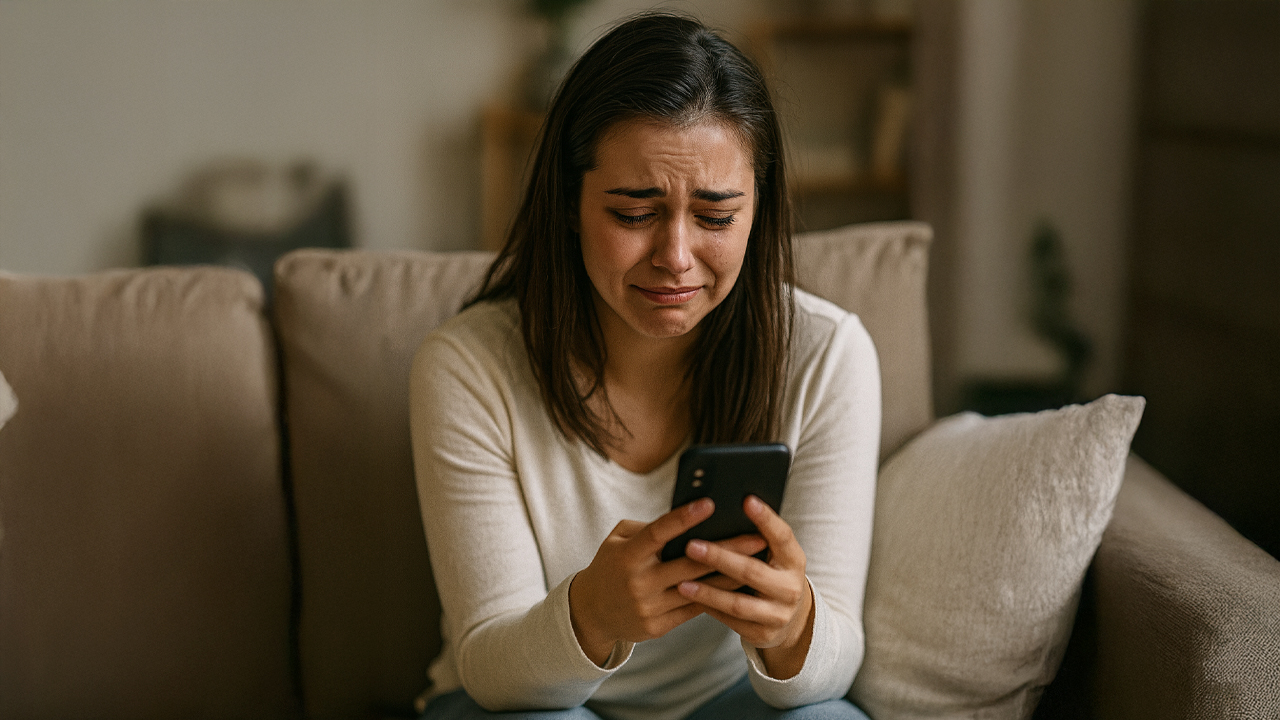
I felt myself tear up. That night, instead of lighting a “just one” cigarette like I wanted to, I picked up my phone. I searched for stop-smoking support that didn’t just tell me what I already knew.
That’s how I found Unpuff.
What caught my attention wasn’t some big promise. It was the way it spoke about quitting: not as something easy, but as something hard that could be made easier with the right support.
I downloaded it expecting to be overwhelmed. Instead, it walked me through things step by step. How long I’d smoked. Roughly how much. Why I wanted to stop. It didn’t shame me. It just laid the facts out.
Seeing on the screen how many years I’d smoked and what that meant in cigarettes and money was sobering. It was like someone had finally put numbers to the damage I’d always tried not to think about.
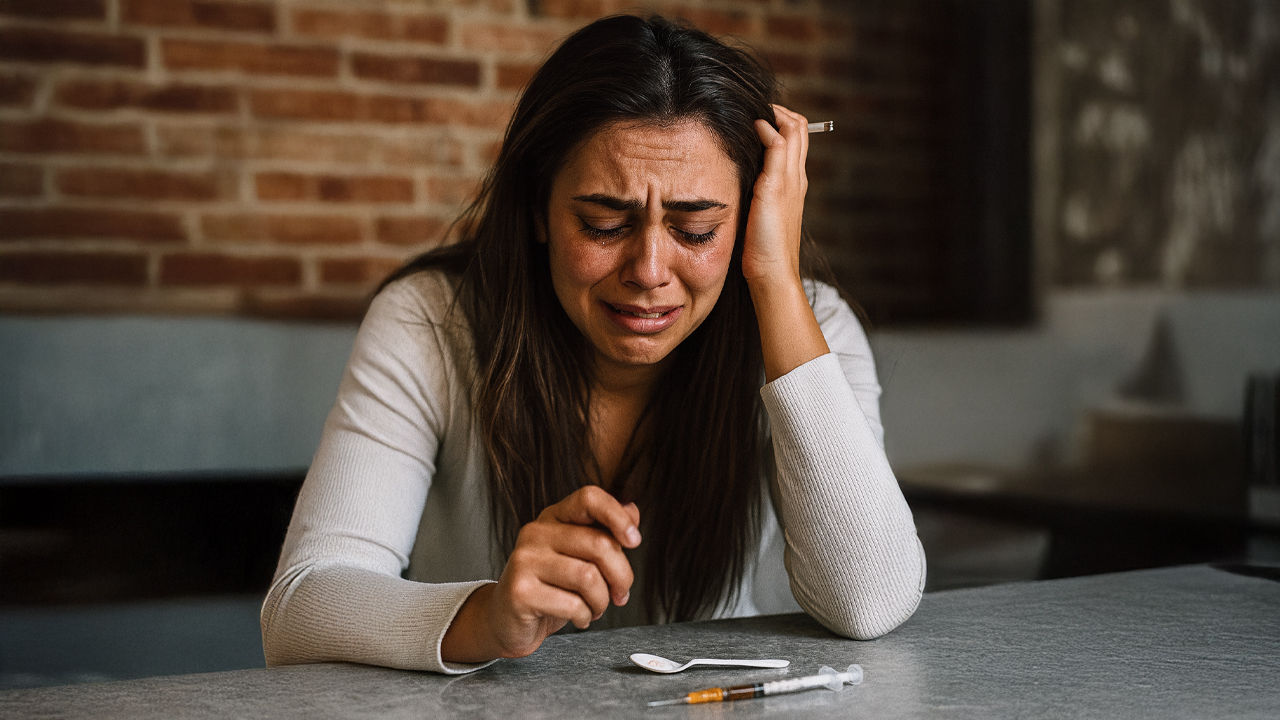
The First Weeks Back Home
The early days at home were the hardest part of the whole story.
There were no hospital rules keeping me from smoking now. My body was exhausted from being sick, my lungs were still fragile, and my brain was desperate for the old “comfort” of nicotine.
Every part of my routine screamed for a cigarette. Morning coffee. After meals. After phone calls. Sitting on the couch in the evening. It was like my whole day had been built around smoke breaks and I’d only just noticed.
This time, instead of just gritting my teeth, I leaned on the app.
When a craving hit, I opened Unpuff. It sounds silly, a woman in her fifties tapping on her phone instead of lighting up, but it made a difference. The app gave me short breathing exercises when my chest felt tight and my nerves were shot. It asked me what I was feeling stressed, bored, lonely, angry and just naming it sometimes took the edge off.
There were days I didn’t get it right. The first time I slipped and had a cigarette, I cried. Not because of the cigarette itself, but because I felt like I’d just thrown my second chance away.
But when I logged it in the app, it didn’t tell me I’d failed. It asked me what had triggered it and how I wanted to respond next. Instead of spiralling into “oh well, I’ve ruined everything,” I made a decision: one cigarette wasn’t going to turn back into twenty a day. Not this time.
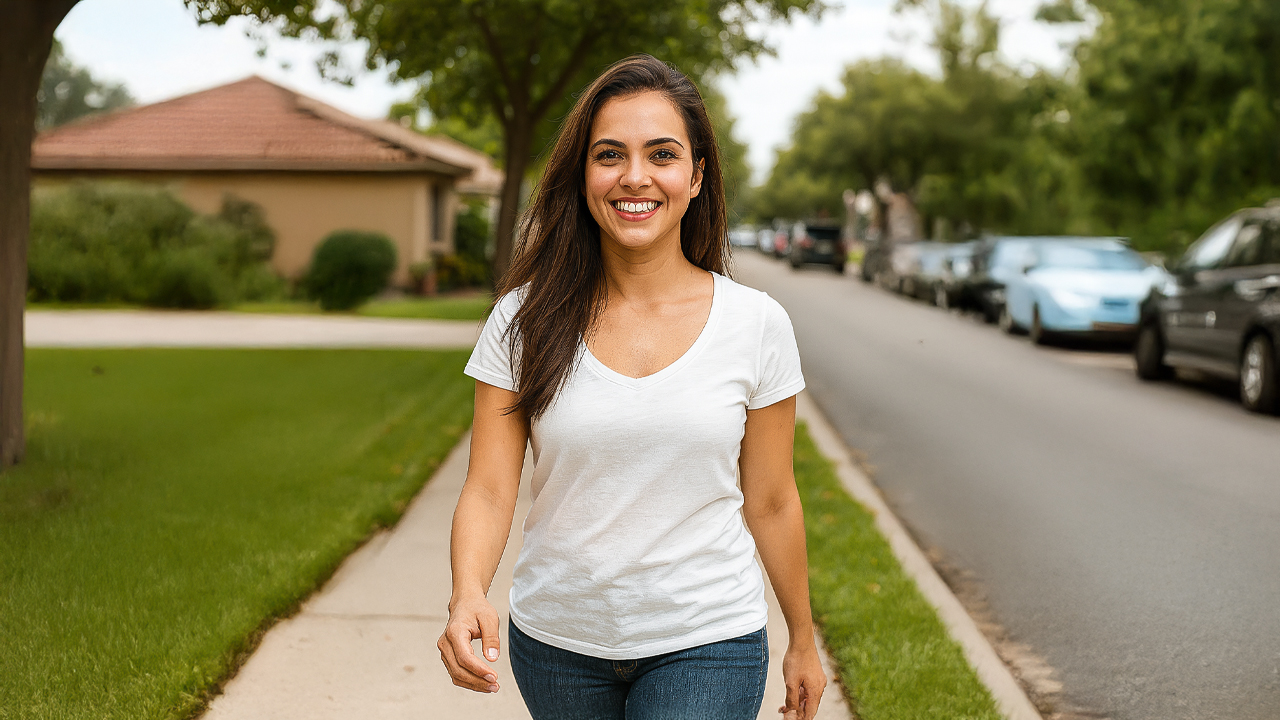
The First Time I Walked Without Fear
About a month after I came home, I went for a walk around the block with my husband. Nothing dramatic. Just our usual loop, the one I used to avoid when my breathing got bad.
I was nervous. I had my rescue inhaler in my pocket and a thousand “what ifs” in my head.
We walked slowly. I paid attention to every breath, waiting for that familiar tightness, that choking panic. It didn’t come. I was breathing harder than my husband, sure, but I wasn’t fighting for air. I didn’t have to stop and pretend to check my phone just to recover.
Halfway around the block, I realised my brain had relaxed. I was listening to what my husband was saying instead of listening only to my lungs.
When we got home, I opened Unpuff and looked at my progress. Days without smoking. Money saved. Time since the last cigarette. It might sound strange, but seeing those numbers made that short walk feel huge. It was proof that my lungs were, in their own way, beginning to forgive me.
The Check-Up I Was Dreading
Going back to the doctor a few months later was almost as scary as the first visit. Part of me was terrified he’d tell me it was too late anyway, that the damage was done and nothing would change.
Instead, he listened to my chest, checked my oxygen levels, asked how I’d been feeling. I told him about the app. I told him I’d had a couple of slips early on but hadn’t smoked in weeks now. I told him about the walks, about the nights I didn’t wake up gasping anymore.
He nodded and said, “Your lungs aren’t perfect. They never will be, after this long. But you’ve absolutely improved your outlook by quitting now. The fact you can walk comfortably again is a very good sign.”
It wasn’t a miracle cure. It was something better: confirmation that my effort was actually doing something, that my lungs weren’t just slowly failing in the background with no hope.

What Life Feels Like Now
I still have to look after myself. I still have inhalers. I still get the odd chesty day when I catch a cold. But my life looks very different to the woman who woke up under hospital lights with an oxygen mask on her face.
I can walk my grandkids to the park without pretending I need to sit down every five minutes. I can climb the stairs without that horrible “is this going to turn into another emergency?” feeling. I sleep more deeply because I’m not constantly waking up coughing.
I still use Unpuff. I check my streaks. I look at the cigarettes I haven’t smoked and the money I haven’t spent. On hard days, I scroll back and remind myself exactly how far I’ve come from that hospital bed.
More than anything, I feel like I have a say in what happens to me now. I can’t undo forty years of damage, but I can stop adding to it. I can show up for my kids and grandkids without smelling like smoke and gasping for breath every time we play.

If You’re Telling Yourself “It’s Too Late”
If you’re reading this and thinking, “I’ve smoked for too long, the damage is done, there’s no point now,” please hear this from someone who thought the same:
You are not beyond help. Your lungs are not beyond help.
Quitting didn’t give me the lungs of a teenager. It didn’t erase the hospital stay. But it changed my future. It stopped the slide. It turned every breath from a countdown into something I’m working to protect.
Unpuff didn’t magically fix everything. What it did was give me a way through the cravings, a way to face the slips without giving up, and a way to see my progress in black and white when my brain tried to convince me nothing was changing.
I’m 35. I’ve been a smoker for most of my life. But for the first time in decades, I’m starting to believe I might be around long enough to see my grandkids grow up.
And that, to me, makes every craving I’ve ridden out worth it.
— Linda, 35, Australia