I Was 29 and Breathing Like an Old Man – Jason’s Story
I Was 29 and Breathing Like an Old Man” – Jason’s Story
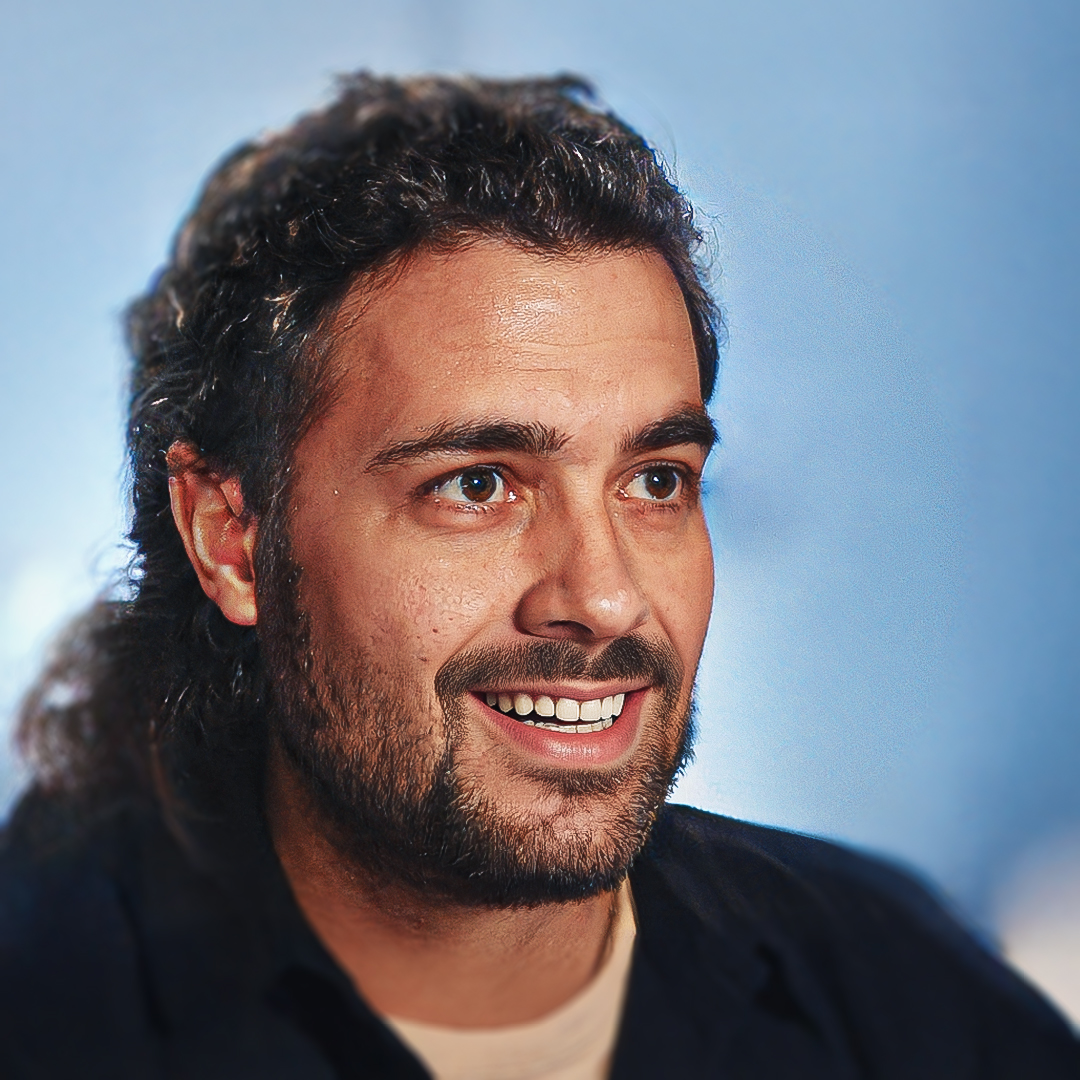
My name is Jason, I’m 29, and a few months ago a nurse looked at me in A&E and asked, “How long have you been smoking?” in a tone that made my stomach drop.
I laughed it off in the moment, but what she really meant was:
“You’re way too young to be struggling to breathe like this.”
I started smoking at seventeen. At first it was just after football training, standing around with the lads, acting like we were invincible. Then it was at college, outside bars, in the car on the way to work. By the time I hit my mid-twenties, a pack a day was normal. More on weekends. I worked long shifts, and a cigarette was my reward, my break, my stress button.
I told myself I was still young, reasonably fit, and that I’d quit “before it caught up with me.” I didn’t realise it already had.
The Scare I Didn’t See Coming
It started with a cough that wouldn’t go away.
I’d had smoker’s cough for years, the kind you can hide with a throat clear or a joke. But this one felt different. It was deeper, harsher. My chest felt tight most mornings. I was getting out of breath walking up a flight of stairs to my flat and pretending I’d
“just had a long day.”
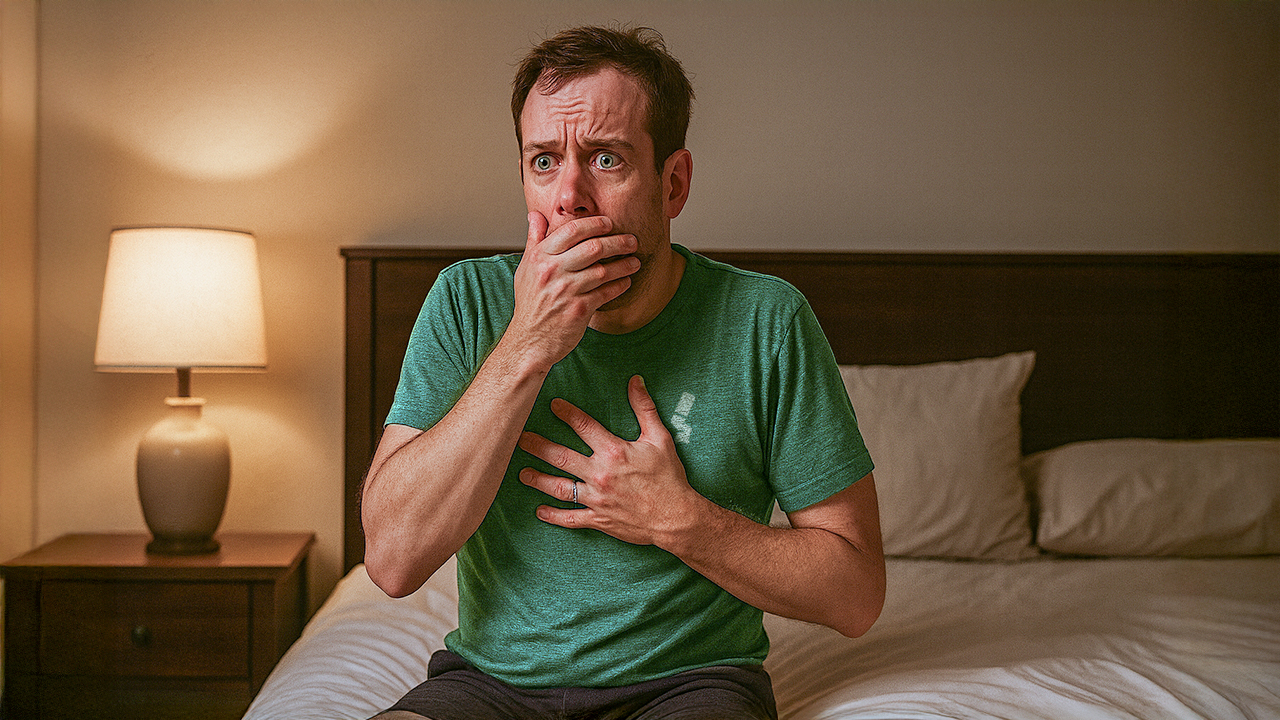
One night after work, I was unloading tools from the van. I walked up the stairs with a couple of heavy bags, and halfway up my chest just seized. It felt like someone had wrapped a belt around my ribs and pulled. I couldn’t get a proper breath in. My vision narrowed, my hands were shaking, and for a second I genuinely thought, This is it. I’m 29 and my lungs are done.
I sat down on the step, trying not to black out, forcing myself to breathe slowly. My neighbour came past and asked if I was okay. I made some joke about “being unfit” and dragged myself upstairs. Later that night I was lying in bed, still wheezing, Googling symptoms I was too scared to say out loud.
Two days later I ended up in A&E after another episode at work. Tight chest. Dizzy. Feeling like the air just wasn’t going in properly, no matter how hard I tried. They checked my oxygen, took bloods, did a chest X-ray. That’s when the nurse gave me that look and asked about my smoking.
The doctor came over after the tests and said my lungs were under serious strain for my age. He talked about inflammation, reduced function, and “a dangerous path if nothing changes.” He didn’t say the word COPD, but he didn’t have to. I’d already read enough to scare myself.
Then he said the sentence that stuck with me:
“If you carry on like this, you’re going to be back here. And next time, your lungs might not cope as well.”
I went home with an inhaler, some meds and a tight knot of fear in my chest that had nothing to do with the infection.

The Same Old Story: Wanting to Quit, Failing Anyway
That wasn’t my first “I need to quit” moment.
I’d tried to stop dozens of times. New Year’s resolutions. “I’ll quit when I turn 25.” “I’ll stop after this holiday.” I did the patches, the gum, even tried vaping to “cut down.” All that happened was I ended up using both cigarettes and a vape. Double nicotine.
Every time I caved, I’d tell myself a familiar story:
“You’re weak. You’ll never do this. May as well stop trying.”
It wasn’t that I didn’t care. I cared a lot. I thought about my lungs every time I coughed so hard it hurt. I thought about my future every time I lit up first thing in the morning before I’d even had breakfast. But wanting to quit and knowing how to get through cravings are two very different things.
When that doctor warned me I’d be back in A&E, it hit differently. Not because it was the first warning I’d heard, but because this time I’d felt it. I’d felt what it was like when air stops feeling like a guarantee.
I just didn’t know if I could trust myself not to fall back into the same pattern.
Finding Unpuff When I’d Stopped Believing in “Solutions”
I actually found Unpuff because I was looking for something to prove to myself I was trying.
I typed “quit smoking app” into the store, expecting a bunch of cheesy promises. Most of them said things like “Quit in 5 days!” or “Guaranteed success!” I didn’t believe any of that.
Unpuff stood out because it didn’t pretend quitting was easy. The line that got me was basically, “Quitting is hard. We help you get through it.”
That sounded a lot more like my life.
I downloaded it and, for once, actually went through the setup properly. It asked how long I’d been smoking, how much, what my main reasons were for quitting. I put “health” and “lungs” without overthinking it. It showed me what that meant in plain numbers, time smoked, money burned, cigarettes that had gone into my body.
It hit me harder than the posters in the hospital had.
Instead of making a big dramatic “never again” promise, I set a near-term goal: start cutting down fast, then commit to a quit date once I had some momentum. Unpuff helped map that out for me instead of me trying to freestyle it and hoping for the best.

Learning to Ride Out Cravings Without Running to the Shop
The first week was ugly.
There’s no nice way to put it. I was edgy, emotional, snapping at people over nothing. My head felt foggy and my body was begging for nicotine. Every break at work, my legs wanted to walk to the smoking area on autopilot.
Here’s where Unpuff changed things for me: instead of being alone in that moment thinking “don’t smoke, don’t smoke, don’t smoke,” I had something to actually do.
When a craving hit, I opened the app instead of my pack.
Sometimes it gave me a short, guided breathing exercise to take the edge off. Sometimes it threw a quick mindset reminder at me, how long it had been since my last cigarette, how many I’d already avoided, how much my lungs were already benefiting. Sometimes it just asked, “What triggered this?” and made me pause long enough to realise I wasn’t just “weak,” I was stressed, bored, angry or tired.
I didn’t get it perfect. There were days I slipped and bought a pack. But logging it in the app forced me to look at what actually happened instead of pretending it “didn’t count.” I saw patterns: late nights, arguments, certain mates, finishing a job and wanting to “reward” myself.
For the first time, a slip didn’t turn into three packs and a “stuff it, I’ll try again next month.” It was a stumble I could recover from the next day.

The Run That Changed My Mind About My Lungs
The moment I realised my lungs were actually starting to forgive me wasn’t in a doctor’s office. It was on a football pitch.
A bunch of us play five-a-side on Sundays. Before all this, I’d been the guy subbing himself off after a couple of sprints, pretending I’d “twinged my hamstring” when really I just couldn’t breathe.
One game, about six weeks after I’d seriously committed to Unpuff and gone fully smoke-free, I noticed something different.
I was still working hard. I was still panting. But I wasn’t dying.
I could sprint, drop back, and then go again without that sharp, tearing feel in my chest. My breathing was heavy, but it was recovering. I didn’t have that horrible metallic taste of pure exhaustion in my mouth. I didn’t spend every second thinking about air. I was actually thinking about the game.
Afterwards, I was sitting on the side, sweaty and wrecked, and it hit me:
I haven’t played like this in years.
That night I checked Unpuff and looked at my streak. Looked at the days smoke-free. Looked at the money saved. Looked at the cigarettes not smoked. For the first time, it felt like I wasn’t just stopping something. I was actually getting something back.
The Follow-Up at the Hospital
Going back for my follow-up tests a few months later felt like walking into an exam I wasn’t sure I’d passed.
They checked my lungs again, did the same tests, asked how I’d been feeling. I told them about the five-a-side, about the stairs, about not waking up wheezing in the middle of the night anymore. I told them I’d been using an app to help me quit and that I hadn’t smoked for weeks.
The respiratory nurse looked at my results, then looked at me and said,
“This is better. You’ve definitely taken some pressure off your lungs.”
It wasn’t a magic reset button. She didn’t say, “Congratulations, you’re brand new.” But she did say that my risks were now lower than they would’ve been if I’d carried on, that my lungs had some capacity to recover, and that the most important thing was staying off the cigarettes.
Walking out of there, I felt different. Not invincible, I know I’ve still done damage but not doomed either. For the first time, I felt like I’d pulled myself back from the edge a little.

What Life Looks Like for Me Now
I still get stressed. My job still has long days. Some of my mates still smoke. None of that has magically changed.
What’s changed is how I deal with it.
I don’t wake up every morning coughing like my chest is full of gravel. I can climb stairs without planning my breathing in advance. I can play football and actually be in the game, not just trying not to collapse. My clothes and my car don’t smell like stale smoke anymore.
I still open Unpuff pretty much every day. Sometimes just to check the numbers. Sometimes because I’ve had a bad day and my brain starts whispering, “One won’t hurt.” Seeing my progress laid out, the days, the money, the cigarettes I haven’t smoked, the patterns I’ve broken, makes it a lot harder to throw it away for five minutes of old habit.
I’m not pretending everything is perfect now. I still get the odd chesty day, I still worry about what I’ve done to my lungs long term. But I don’t feel like I’m walking towards a wall with my eyes closed anymore.

If You’re a Guy in Your 20s or 30s Thinking “I’ll Quit Later”
If you’re around my age and telling yourself you’ll quit “before it gets bad,” I’m telling you straight: it might already be getting bad, and you’re just used to it.
I thought tight chest, wheezing on stairs and getting wrecked after a light run was just “getting older.” It wasn’t. It was my lungs waving a red flag.
Unpuff didn’t turn me into some saint with iron willpower. It gave me a plan, something to do when cravings hit, and a way to see that my effort was actually changing my body, not just my bank balance.
If I can go from almost passing out on the stairs at 29 to running around a pitch again without feeling like my lungs are collapsing, then there’s hope. Not perfect lungs. Not a clean slate. But real, noticeable change.
And if you’re even thinking about quitting, that means a part of you already knows it’s time.
Don’t wait for an oxygen mask or a lecture in A&E to be your wake-up call. I was lucky. I got scared early enough to do something about it.
You can too.
— Jason, 29, Canada