I Thought My Lungs Were Done – Mark’s Story
I Thought My Lungs Were Done” – Mark’s Story
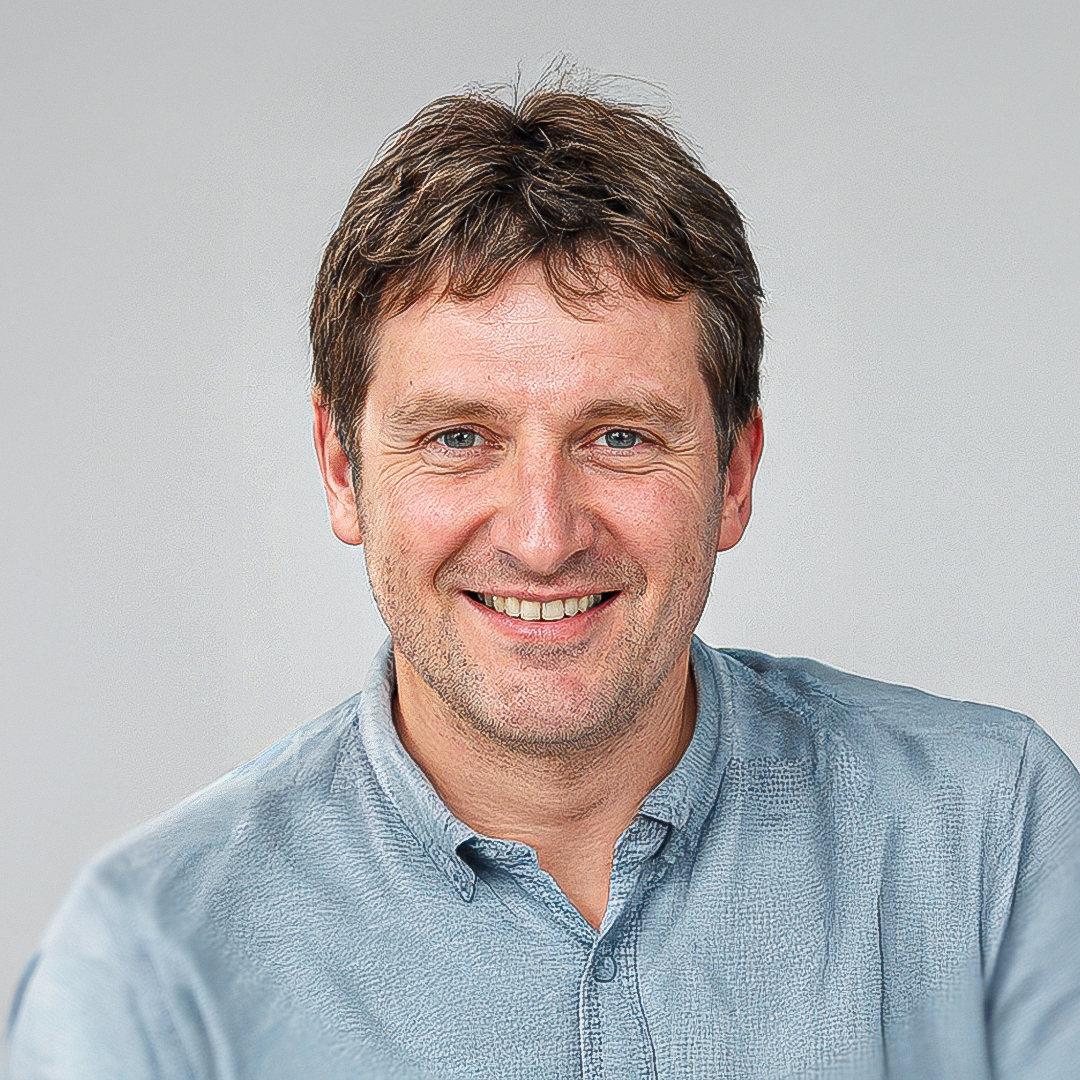
My name is Mark, I’m 46, and I genuinely thought my lungs were done.
I started smoking when I was sixteen. At first it was just something I did with mates at college, then on nights out, then on breaks at work. Before I really noticed, it had turned into a pack a day, every day. On stressful weeks I smoked even more.
For years I told myself the same thing:
“I know it’s bad. I’ll quit when things calm down.”
They never did.

The Night I Scared Myself
The moment that changed everything wasn’t dramatic. There was no collapse, no ambulance, no big movie scene. It was a short walk from the car park to my flat.
I’d done that walk thousands of times. But that evening, halfway up the slight incline, my chest just… locked up. It felt tight and heavy, like someone had strapped something around my ribs. My breathing went shallow and I couldn’t get a proper breath in.
My partner was walking a bit ahead, talking about what we’d have for dinner. I slowed down and pretended to pat my pockets, like I was looking for my keys. In reality I was bending forward, hands on my knees, trying not to panic.
“I’m fine,” I said when she turned around. “Just need a second.”
Inside, I knew something was seriously wrong.
A week later, after it happened again on the stairs at work, I finally booked a doctor’s appointment. I sat there trying to crack jokes, because that’s what I do when I’m uncomfortable. The doctor listened, asked questions, checked my chest and breathing. Then his face changed.
He didn’t scream or lecture me. He just said calmly:
“You’re showing signs of early lung damage. I can’t predict exactly how this will go, but if you carry on smoking, it will only get worse.”
Those words hit harder than any anti-smoking advert I’ve ever seen.

Too Many Attempts, Too Much Shame
I wish I could say that was the first time I’d tried to quit. It wasn’t.
I’d done patches. I’d chewed nicotine gum until my jaw ached. I’d tried going cold turkey every January like it was some tradition.
Every time the story was the same: I’d hold it together for a few days or a couple of weeks, then a bad day at work, an argument, or a stressful moment would hit and I’d be outside with a cigarette in my hand again.
Each failed attempt made the next one harder to even start. It wasn’t just addiction anymore; it was shame. I’d tell my partner I was done with smoking, then she’d see me on the balcony a week later and I’d feel about two inches tall.
I started to believe there was something broken in me.
Other people could quit. I clearly couldn’t.
When the doctor told me my lungs were in trouble, there was fear, but there was also this horrible thought sitting underneath it:
“What if I actually can’t stop? What happens then?”
How I Stumbled Onto Unpuff

I found Unpuff late one night, lying on the sofa, chest still feeling heavy from the day. I was scrolling on my phone, half looking for help and half trying to distract myself.
I’d seen plenty of “Quit in 7 days!” stuff before and I didn’t trust any of it. What caught my eye with Unpuff was one simple line:
“Quitting is hard. Unpuff makes it easier.”
That actually sounded honest. Not “easy.” Not “instant.” Just… easier.
I downloaded it thinking I’d probably delete it in a couple of days like everything else. Instead, I ended up setting it up properly. I typed in how long I’d been smoking, roughly how many cigarettes a day, and it showed me what that meant in money and impact.
Seeing it laid out like that was uncomfortable but needed.
I didn’t set a big dramatic “quit forever” date. I just told myself I’d follow the plan in the app and see if I could at least cut down and get some control back.
The Messy First Weeks
I won’t lie: the first weeks with Unpuff were messy.
I didn’t magically become a non-smoker overnight. I still wanted cigarettes. I still had days where I was short-tempered and tired. There were a couple of times I slipped and smoked when I’d promised myself I wouldn’t.
The difference was how I handled those moments.
Instead of automatically heading to the shop or pretending it “didn’t count,” I started opening the app when a craving hit. There were these short exercises inside, breathing, grounding, little mindset shifts. It felt strange at first, but I tried them anyway.
One day at work I remember standing outside with my colleagues. Everyone was smoking. My hand went to my pocket and instead of a pack, I pulled out my phone. I did a quick three-minute craving exercise in Unpuff while they talked.
I felt ridiculous… and then I realised something: the urge had dropped just enough for me to walk back inside without lighting up.
When I slipped and had a cigarette, Unpuff didn’t tell me I’d failed. I logged it. The app asked what had happened and how I was feeling. For the first time, instead of pretending the slip didn’t happen or letting it turn into a full relapse, I actually learned from it.
Slowly, the number of cigarettes per day went down. Then the number of smoke-free days started to go up.
The First Real Sign My Lungs Were Changing

About six weeks in, something happened that I didn’t expect.
I had to park further away from work than usual and walk up a long, steady incline. It was raining, I was running late, and I braced myself mentally for the usual tight chest and burning lungs.
But it didn’t happen.
Don’t get me wrong, I was breathing heavier at the top. But I wasn’t doubled over. My chest didn’t feel like it was collapsing. I didn’t need to pretend to check my phone just to catch my breath.
I just… walked up the hill.
It wasn’t spectacular. Nobody clapped. But for me, it was massive.
In the days after that, I started noticing other things. I wasn’t waking up with the same savage cough every morning. Walking and talking at the same time didn’t feel like running a marathon. My partner mentioned that I didn’t sound as wheezy when I laughed.
For the first time, it felt like my lungs weren’t getting worse. They were, in their own way, trying to come back.

Going Back to the Doctor
A few months later, I went back to the doctor for a follow-up.
This time I walked from the car park to the surgery without drama. I sat down in the waiting room without feeling like my chest was going to explode. When he called my name and I walked in, I actually felt a bit proud.
He asked how things had been. I told him I was using an app called Unpuff. I told him I’d had some slips, but that I’d been properly smoke-free for several weeks now. I talked about the hill, the stairs, the mornings without that horrible cough.
He listened, checked my chest again and smiled.
“This doesn’t undo all the years you smoked,” he said, “but you’ve absolutely improved your chances by stopping now. Your lungs and heart will benefit from every smoke-free month you give them.”
I walked out of that appointment feeling something I hadn’t felt in a long time: relief. Not because everything was magically fixed, but because I wasn’t just waiting for my body to fail anymore. I was actually helping it.
What Life Looks Like Now

I still check Unpuff most days. I like seeing the number of days since my last cigarette. I like seeing how much money I’ve saved, that one still blows my mind when I think about what I used to spend without blinking.
I like looking back at my early logs and remembering how hard those first cravings were, compared to now.
I can carry shopping without secretly worrying I’m going to have to stop halfway. I can walk up stairs and maybe grumble like a normal 46-year-old, not panic like someone whose lungs are giving out. I can go through a stressful day and choose something other than a cigarette to cope.
Do I still think about smoking sometimes? Yes. But it’s more like a passing thought now, not a command.
The biggest difference is this: I no longer feel like my lungs are on a countdown that I can’t stop. I feel like I’ve at least put the brakes on. I’m giving my body a chance it never had when I was lighting up without thinking.

What I’d Say to Someone Where I Was
If you’re reading this and you’re where I was scared about what your lungs are doing, ashamed of how many times you’ve tried and “failed,” convinced you might just be one of those people who can’t quit, here’s what I’d say:
You’re not broken. You’re addicted. There’s a difference.
Quitting hasn’t been perfect for me. It hasn’t been easy. But using something like Unpuff gave me a way to get through the cravings, to actually see my progress, and to stop letting one bad moment wipe out everything I’d done. I still wish I’d started sooner.
But I’m incredibly glad I started when I did. For the first time in a long time, I can breathe without feeling like my lungs are already lost and that, after nearly thirty years of smoking, is something I never thought I’d be able to say.
— Mark, 46, United Kingdom