

How to Quit Smoking Without Turning Into an Angry, Stressed Version of Yourself
I want to quit smoking, but where do I start?

One of the biggest fears people have about quitting isn’t just cravings.
It’s this:
“If I quit, I’m going to be miserable to live with.”
Maybe you’ve tried before and snapped at everyone around you.
Maybe your family still jokes about “that week you tried to quit.”
Maybe you remember how stressed, emotional, or low you felt and you’re not sure you want to go through it again.
The truth is:
quitting can affect your mood, but it doesn’t have to turn you into someone you don’t recognise.
If you understand what’s going on in your mind and have a plan for it, you can protect your mood and your relationships while you quit.

Why Your Mood Can Go Wild When You Quit
Nicotine doesn’t just hook your body, it hooks your emotions and thoughts too.
For a long time, smoking has probably been your fast “fix” for:
Light up → feel a bit better → brain makes a note:
“This helps. Do it again next time.”
Over the years, your brain has learned:
So when you quit, two things happen at once:
Of course you feel edgy.
Your brain is asking: “Where’s my fix?” and “What do we do now when things get hard?”
You’re not “becoming a bad person.”
You’re going through a real adjustment period.
.jpg)
Step 1: Expect Mood Changes (So You Don’t Panic)
The first mindset shift is simple but powerful:
Feeling grumpy, emotional, or on edge in the first days or weeks is normal.
It doesn’t mean:
It means your mind and body are rewiring. That takes a bit of time.
When you expect some turbulence, you’re less likely to:
Mood changes are a phase, not a permanent new version of you.

Step 2: Tell the People Around You What’s Happening
One of the kindest things you can do for yourself and for them is to give people a heads up.
You don’t have to make a big announcement. A simple conversation works:
“I’m quitting smoking, and I’m really serious about it this time.
I might be a bit more tense or emotional for a while. It’s not about you I’m just adjusting.
If I snap, I’m sorry in advance. I’m working on it.”
Why this helps:
You’re not asking for pity, you’re inviting them to be part of the solution.

Step 3: Learn to Spot Your “Warning Signs”
Everyone has their own early warning signs that their mood is about to crash.
For example:
Those are your internal triggers.
The earlier you can catch them, the easier it is to do something about them before you explode, shut down, or reach for a cigarette.
Try this simple exercise for a few days:
Just being aware already gives you a bit more control.
Step 4: Swap the Cigarette for Simple Mood Resets

You can’t control every feeling that comes up, but you can control what you do with it.
Instead of lighting up, use a small “mood reset” when things start to boil.
Here are a few that take 2–5 minutes:
It’s simple, but it tells your nervous system: “We’re safe.”
You’re less likely to snap when your body isn’t in full fight-or-flight mode.
If you feel like you’re about to say something you’ll regret:
You’re not avoiding the situation, you’re stopping it from exploding.
When your thoughts start spiralling, try:
You’re shifting from being overwhelmed to taking one clear, manageable step.

The voice in your head during quitting can be brutal:
Those thoughts don’t help you quit they drive you back to smoking.
You don’t need to be unrealistically positive, but you can be fair.
Try shifting your self-talk slightly:
Small changes in wording can make a big difference to how heavy everything feels.
.jpg)
Lack of sleep makes everything worse:
Quitting can temporarily mess with your sleep, but you can still support it:
You might not sleep perfectly every night and that’s okay. The goal is to give your brain the best chance to reset.

You will have moments where you’re not at your best.
You might snap at someone.
You might be quieter than usual.
You might feel like you overreacted.
That doesn’t mean you’ve “ruined everything.”
You can always come back and say:
“I’m sorry I was sharp earlier. I’m still adjusting to quitting and I’m working on handling it better.”
Most people will understand, especially if they know you’re trying to get healthier and live longer.
And every time you notice, apologise, and reset, you’re getting better at managing your mood without needing a cigarette.
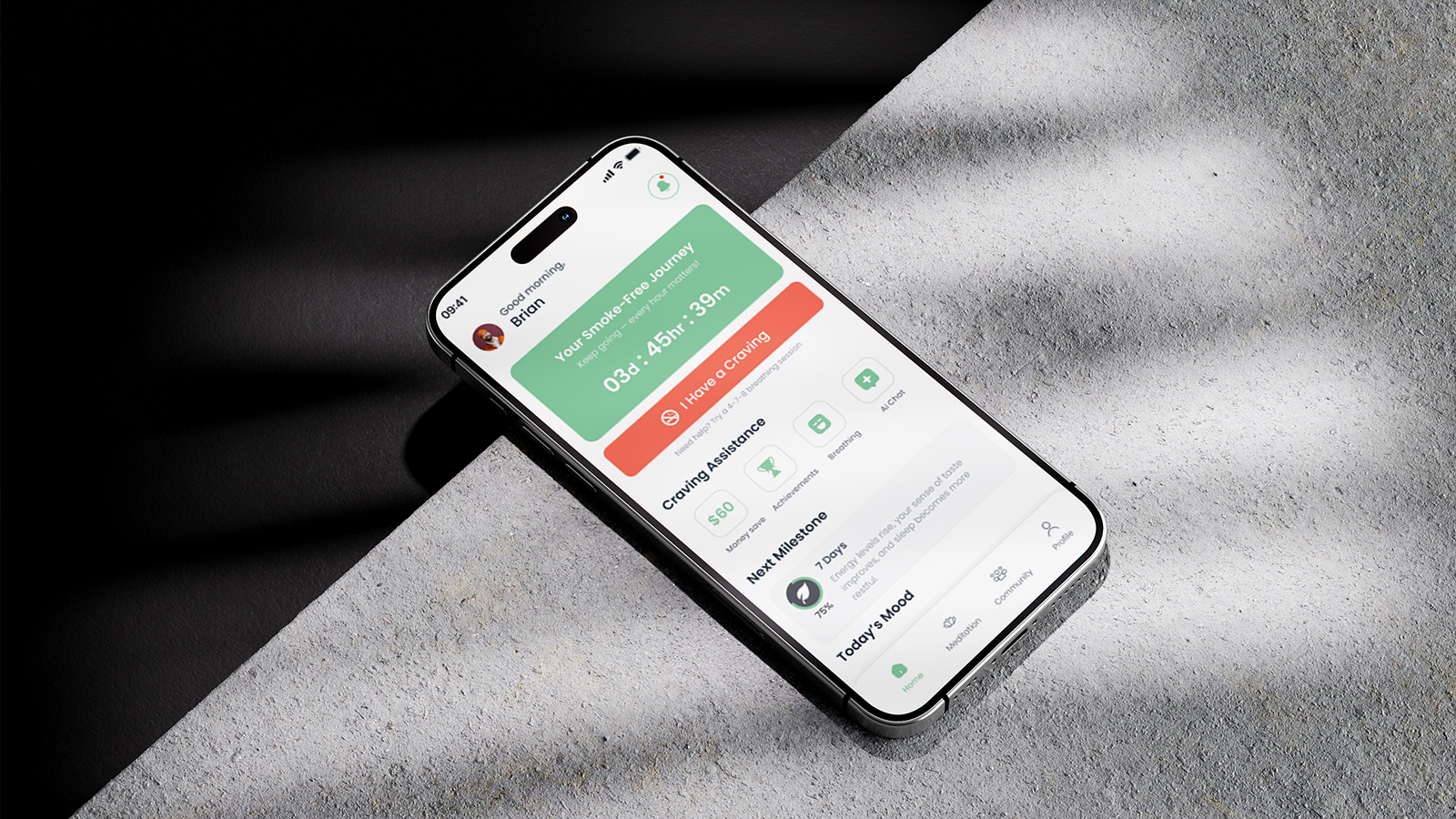
Unpuff isn’t just about tracking cigarettes. It’s also designed to support your mind and mood while you quit.
Inside the app, you can:
Quitting smoking isn’t just a physical change. It’s an emotional one.
You don’t have to choose between being smoke-free and being bearable to live with.
With the right tools and a bit of compassion for yourself, you can have both:
And Unpuff is here to support you through all three.