
How to Handle Social Situations When Everyone Else Is Smoking
I want to quit smoking, but where do I start?

For many people, the hardest part of quitting isn’t the quiet moments at home, it’s the social ones.
Nights out. Work breaks. Family gatherings. Standing outside a bar or a party while everyone else lights up.
You might be fine all day, then one invite “We’re going for a smoke”hits you like a truck.
If that sounds familiar, this guide is for you.
We’ll look at why social situations are such powerful triggers and what you can do to get through them without going back to square one.

Smoking isn’t just nicotine; it’s also a connection and routine.
For years, cigarettes may have been:
So when you quit, you’re not just giving up nicotine. You’re also changing:
That’s a big shift. No wonder it feels uncomfortable at first.
The important thing to understand is this:
Feeling awkward or left out does not mean quitting is a bad idea.
It just means your brain is used to pairing social time with smoking.
The good news? You can unlearn that, but it takes a bit of planning.

In social settings, people will ask questions, sometimes without thinking:
If you don’t have an answer ready, it’s easy to feel pressured.
Before you go out, decide what you want to say. It doesn’t have to be deep or dramatic.
Some simple options:
You don’t owe anyone a long explanation.
Having a short, calm line prepared stops you from getting caught off guard.
.jpg)
If you always used to stand outside with the smokers, this can be a huge trigger.
You have two options:
Option A: Stay with them, but change what you do
If you feel strong enough, you can still go outside but:
Option B: Stay inside or move somewhere else
In early days, this might be the smarter move:
You’re not “boring” for not going outside. You’re protecting your quit. That’s more important than one conversation in the cold.

A big part of social smoking is physical:
When you remove that, your hands can feel strangely empty.
Replace it with:
It might sound silly, but having something in your hand can make a surprising difference in how “normal” you feel.

There’s almost always a point in the night where your brain whispers:
“Just one won’t hurt.”
“You’ve done so well, you deserve it.”
“You can go back to quitting tomorrow.”
This is where many quits fall apart, not because of lack of effort, but because of one unplanned decision.
Try deciding in advance:
For example:
You don’t have to be perfect. You just need a plan that gives you a chance to recover before you act.
.jpg)
Some situations will be harder than others.
First party after quitting. First weekend away. First night out with a certain group.
If you feel your willpower draining, it’s completely okay to:
You don’t have to prove anything to anyone.
Protecting your quit once is worth far more than staying an extra hour and ending up back at square one.

Let’s be honest: slips happen.
Maybe you’ve already had a night where you gave in and smoked.
This doesn’t mean:
It means:
What matters most is what you do next.
Instead of giving up completely:
A single cigarette doesn’t undo all the health, money, and control you’ve earned. It’s a bump, not the end of the road.
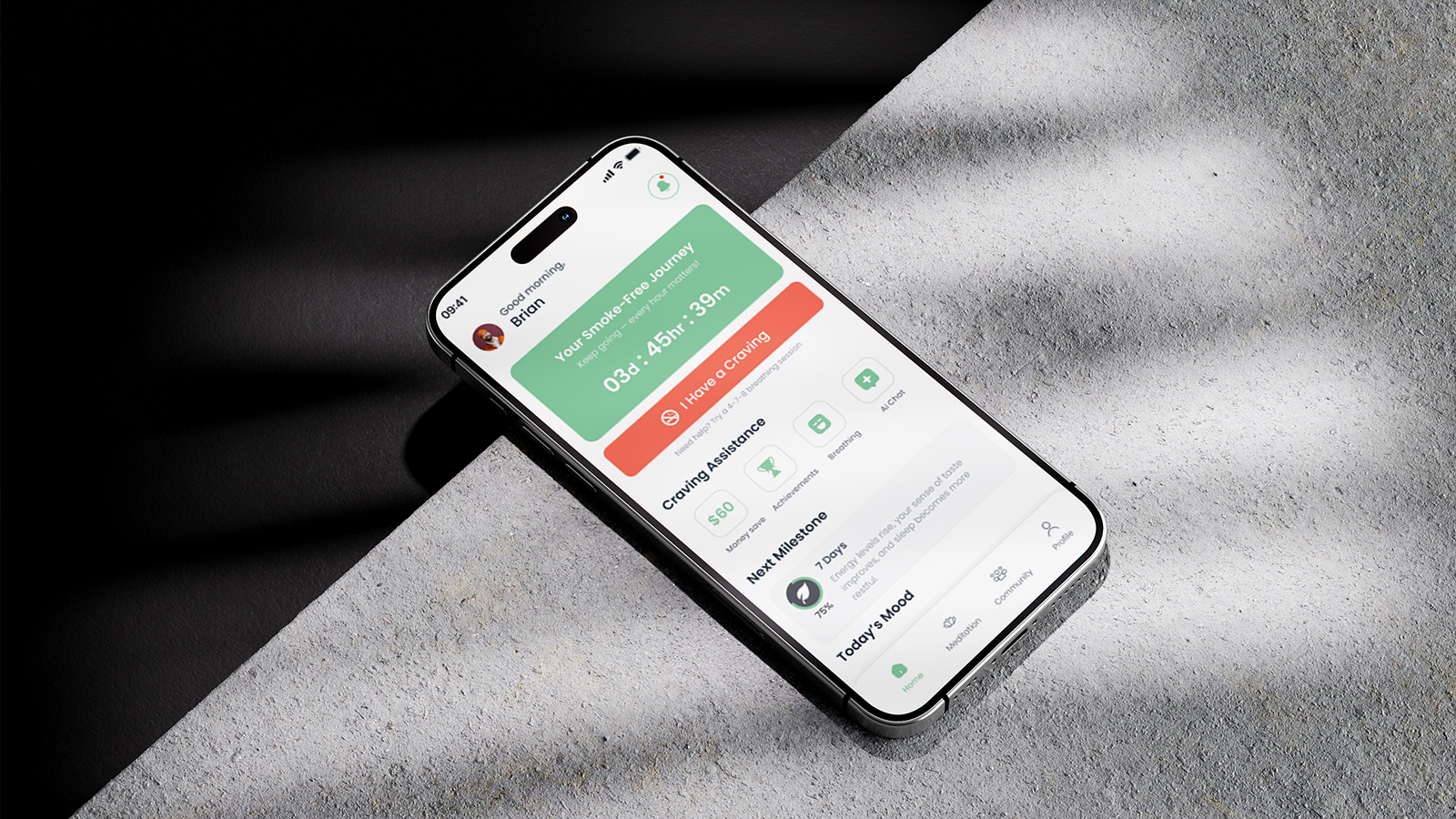
Social situations are one of the biggest reasons people relapse. Unpuff is built with those moments in mind.
With Unpuff, you can:
You don’t have to choose between having a social life and staying smoke-free.
With a bit of planning and support in your pocket, you can do both.