From “Just a Pack” to Real Change
From “Just a Pack” to Real Change: How Quitting Smoking Transforms Your Everyday Life

When people think about quitting smoking, they usually picture big, dramatic changes: running without gasping, living longer, avoiding serious illness. Those are real and important. But what often gets overlooked are the smaller, everyday ways your life starts to improve, especially with your money, your time and how you feel in your own skin.
Smoking has a way of shrinking your world without you noticing. It slowly rearranges your day, your budget and your habits around itself. When you quit, those pieces don’t just disappear. They come back to you.
This isn’t about perfection or judging the past. It’s about seeing what you stand to gain, not just what you’re giving up.

The “Just One Pack” Trap
If you smoke or vape, it rarely feels like you’re doing something huge when you buy nicotine. It’s “just one pack”, “just a refill”, “just this week”. The price hits in small, frequent amounts. That’s why it doesn’t trigger the same alarm bells in your brain as, for example, paying a big bill or making a major purchase.
But those small amounts stack up. Week after week, month after month, you are quietly committing a slice of your income to something that gives you a short-lived hit and leaves nothing behind. You pay for it, you burn it, and then you pay again.
You don’t need exact figures to understand the pattern. If you think about how often you buy cigarettes or vape liquid in a month, and then imagine that money staying in your account instead of leaving, it becomes hard to ignore.
Buying Back Your Time
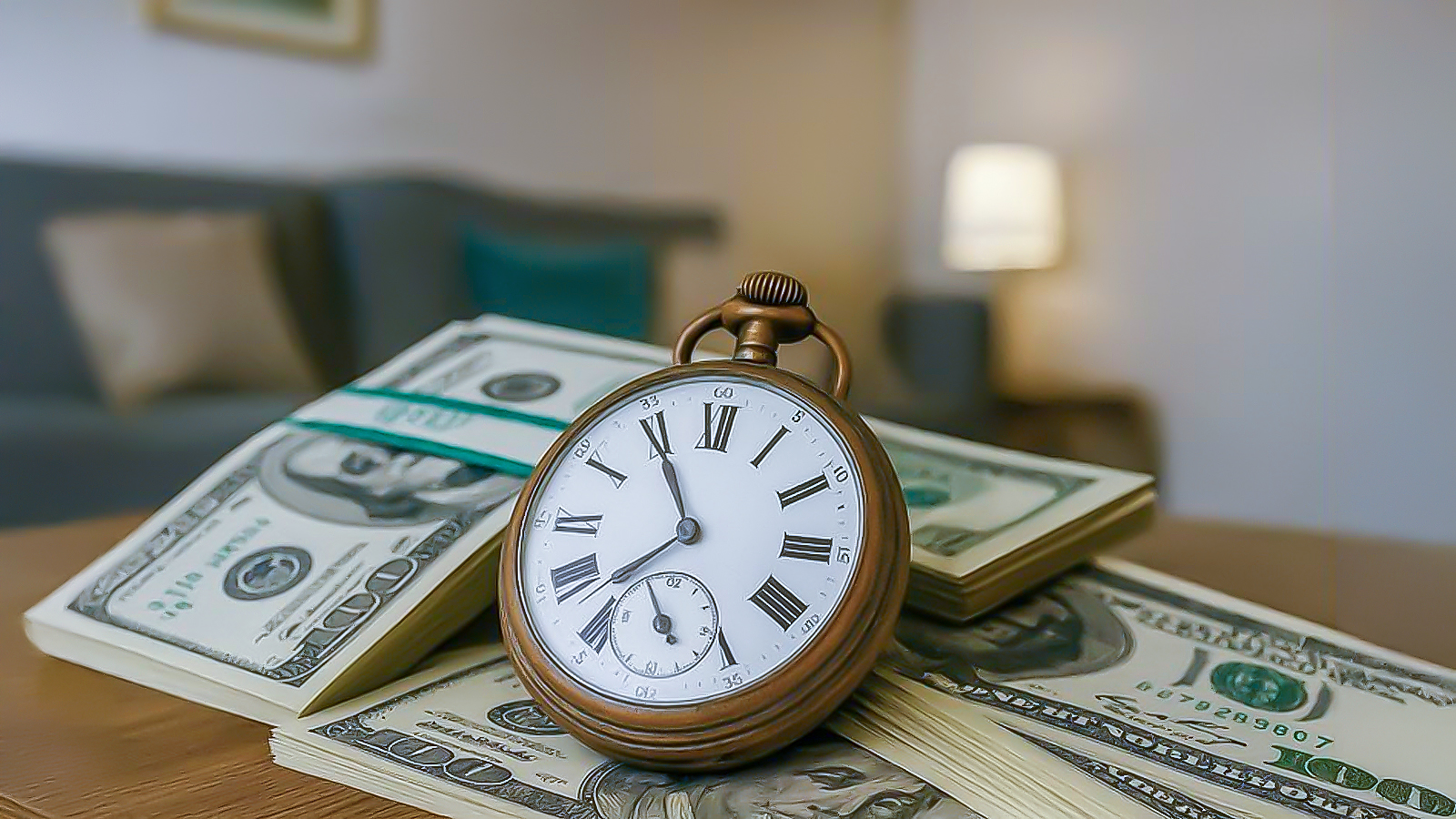
There’s another cost that doesn’t show up on your bank statement: time.
Smoking breaks your day into pieces. You go outside at set times. You leave conversations halfway through. You stand in doorways, car parks, back entrances. You plan around “when can I have a smoke?” more than you realise.
When you quit, those interruptions begin to disappear. A work break can be just a break, not a race to smoke as much as you can before you have to go back inside. A coffee with a friend can run straight through without you checking your pack or your vape battery. Train journeys, flights and long meetings become less stressful because you’re not counting the minutes until you can get nicotine again.
You gain back small pockets of time that used to belong to cigarettes. Over days and weeks, those pockets add up to hours that are now yours to use however you want.
Smell, Space and Feeling Comfortable Again

There’s also the way smoking quietly affects your surroundings. If you’ve smoked for a long time, you may be used to the smell on your clothes, in your car, on your hair and hands. You may not notice it as much anymore, but other people often do.
Quitting changes that. After a while, you step into your car and it smells neutral instead of stale. Your jackets and jumpers hold onto the scent of laundry rather than smoke. You hug someone and don’t wonder what they’re smelling.
It’s not about being perfect or pretending you never smoked. It’s about feeling more comfortable in your own space and around other people. You don’t have to worry about masking the smell, spraying everything down or constantly washing fabrics to keep up.

Money That Actually Goes Somewhere
One of the most satisfying parts of quitting is watching money start to build up where it used to disappear.
At first, it just feels like you’re not spending as much. But if you pay attention, you start to notice concrete changes: the week doesn’t feel as tight financially; a bill doesn’t hit as hard; you suddenly have room to say yes to something you usually say no to.
Some people put the “cigarette money” aside on purpose, into a separate pot or account. Others simply notice that, over time, they’re able to afford things they often talked themselves out of before. A takeaway without guilt. A new pair of shoes. A contribution to savings. A small trip.
The key shift is this: instead of money being burned on something that’s gone in minutes, it begins to show up as something you can see, touch and enjoy. The same income now gives you more.
Social Life Without the Smoke Breaks

Smoking also shapes how you show up socially. Think about how many times you’ve:
When you quit, there is often an awkward phase where you feel unsure what to do with yourself in those moments. That passes. In time, you may notice that you’re more present in conversations, you’re not constantly calculating when you can next get away, and you’re no longer standing in the cold or rain just to get a few drags.
You don’t lose your social life when you quit. You gain the option to fully take part in it without needing to step away all the time.
Energy for Things You Actually Care About

Smoking doesn’t just cost money and time. It quietly drains energy.
Many people who quit talk about how much easier it becomes to do everyday things: walking up stairs, playing with their kids, getting through a full day at work without feeling totally wiped out. By removing something that was constantly taxing your body, you free up energy for everything else.
That can mean having the energy to go for a walk rather than collapsing on the sofa. It can mean saying yes to plans in the evening instead of feeling too drained. It can mean starting a hobby, or simply having the mental space to think about something other than your next cigarette.
You haven’t suddenly become a different person. You’ve just stopped carrying an invisible weight that you’d been dragging around for years.
How Unpuff Helps You See These Changes Clearly
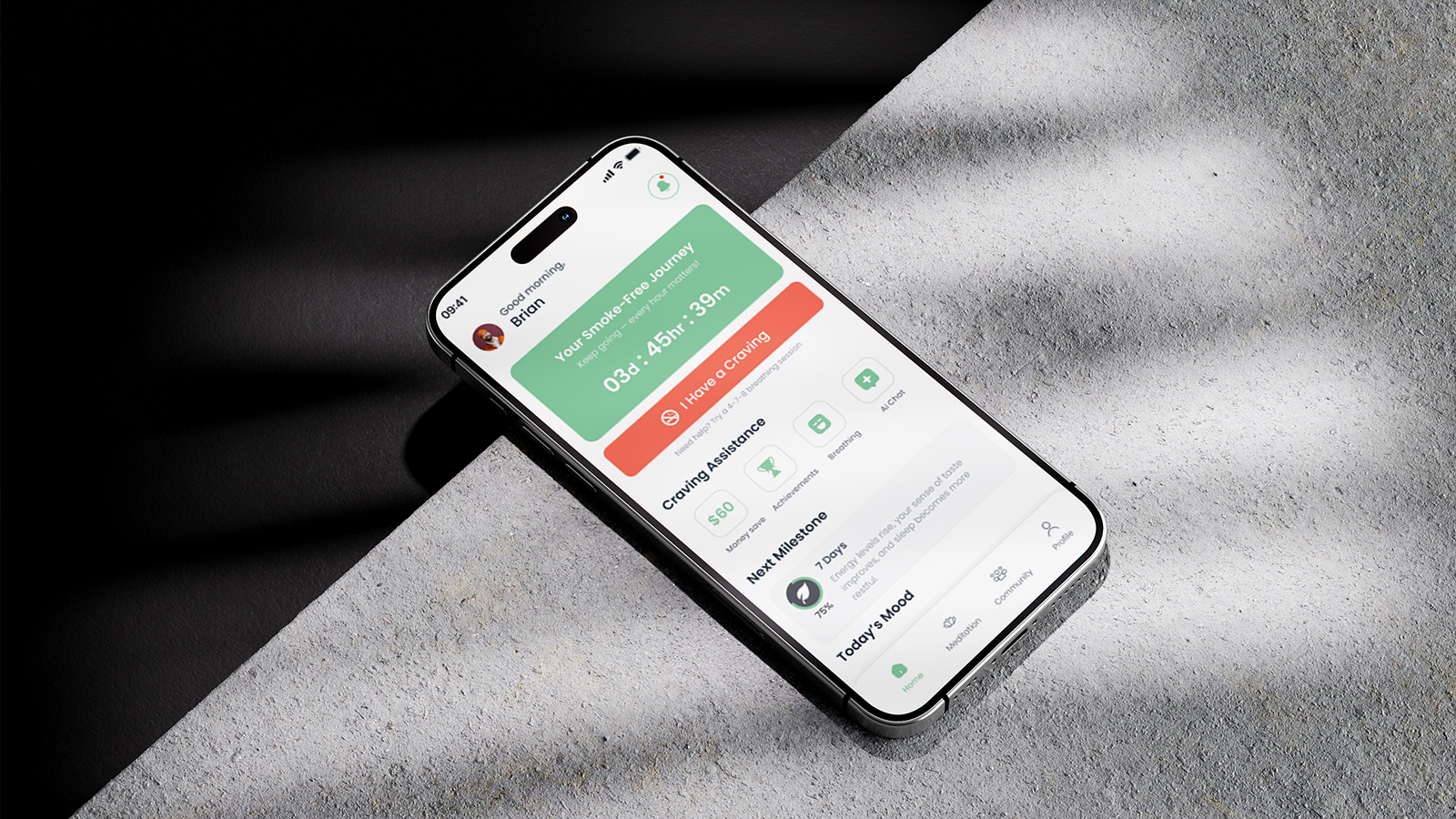
All of these benefits – money, time, energy, freedom, can sneak up on you. When you’re in the middle of quitting, especially in the tough early days, it can be hard to notice them.
That’s where tracking comes in.
Unpuff is designed to make these invisible wins visible. The app doesn’t just count how many cigarettes you haven’t smoked. It shows you how much money you’ve saved, how much time you’ve stayed smoke-free and how your choices are adding up.
Watching those numbers grow does something simple but powerful: it proves to you that your effort is paying off, even on days when you feel tired or doubtful. You can see exactly what you’ve kept for yourself instead of handing over to smoking.
Over time, quitting stops feeling like only a sacrifice. It starts to feel like what it really is: a way of getting your life, your lifestyle and your freedom back, one day at a time.