How Your Body Changes in the First Year After You Quit Smoking
From Cough to Clear: How Your Body Changes in the First Year After You Quit Smoking

Quitting smoking can feel strange at first. You put the cigarettes down and expect to feel instantly better, but the reality is more complicated. Some days you may feel rough, emotional or tired. Other days you catch a glimpse of what life might be like without smoking, and it feels lighter.
Behind all of that, your body is quietly doing something very important: it is trying to repair itself.
This isn’t a switch that flips overnight. It is a process that unfolds over weeks and months. Understanding that process can make it easier to stay on track, especially when you don’t feel the benefits right away.

The Early Phase: Your Body Reacts
In the beginning, your body is reacting to two big changes at once. The first is that nicotine is leaving your system. The second is that smoke is no longer arriving every few hours.
You might notice more coughing, not less. That can be worrying, but often it is a sign that your lungs are starting to wake up and clear the build-up they have been holding for years. Your body is trying to move mucus and irritants out, rather than simply tolerating them.
At the same time, you may feel restless, irritable or low. Those feelings are part of withdrawal and habit change, not proof that quitting is “bad” for you. Physically, your heart and lungs are already under less pressure. It just takes a while for your mood and routines to catch up with that reality.

The Middle Phase: Breathing and Energy Shift
As the weeks pass, many people notice they are less out of breath in situations that used to be difficult. Stairs feel slightly easier. Walking a familiar route no longer leaves you as winded. You can carry shopping, talk and move without feeling like your chest is as tight as it used to be.
These changes are not dramatic movie moments. They creep in quietly. You might realise, halfway through a day, that you have coughed less than you normally would. Or you catch yourself at the top of a hill and notice you are recovering more quickly than a few months ago.
Energy often follows a similar pattern. It does not suddenly appear out of nowhere, but the background fatigue that came with smoking starts to ease. You begin to get through the day without feeling as drained. There is a little more space for things you want to do, rather than only the things you have to do.
The Sensory Phase: Taste, Smell and Appearance
Another part of recovery shows up in your senses. Smoking dulls your ability to taste and smell. When you stop, those senses begin to return.
Food often tastes richer, more detailed. Even simple meals can feel different. Coffee, fruit, chocolate and favourite dishes gain layers you may not have noticed for years. Smells become clearer too. Fresh air, rain, clean washing and someone’s perfume can feel more vivid.
Your appearance can change gradually as well. Skin that once looked dull can gain a little more colour. Lines around the mouth and eyes may soften slightly as your circulation improves and your body has to deal with fewer toxins. You may not see this day by day, but people around you might start to say you look healthier or fresher without you having changed anything else.

The Deeper Phase: Heart, Lungs and Future Risk
As months go by, your heart and lungs continue to benefit from the break you have given them. Your heart no longer has to work under the constant strain that nicotine and carbon monoxide placed on it. Your blood can carry oxygen more efficiently. Your lungs are not being irritated and inflamed multiple times a day.
This has a real effect on your long-term health. The longer you stay smoke-free, the more you reduce your risk of serious problems linked to smoking. You cannot erase the past, but you can change what happens from now on. Each smoke-free month is a month where your body is not being pushed in the way it once was.
You may find that illnesses take less out of you than they used to, that you bounce back a little more quickly from colds or chest infections, and that everyday exertion feels less threatening. These are all signs that your recovery is ongoing, not finished.

Recovery Is Physical, But Also Emotional
Health and recovery are not just about lungs, heart and numbers. There is also the emotional side of knowing you are no longer doing this particular harm to yourself.
For many people, smoking carries a background guilt or anxiety. A cough in the night, a tight feeling in the chest or a new ache can trigger a quiet question: “Is this because of the cigarettes?” When you quit, you remove one major cause of that worry.
The fear does not vanish instantly, but it changes. Instead of thinking, “I’m still doing this to myself,” you can say, “I’ve stopped, and my body is finally getting a chance.”
That change in how you see yourself is part of recovery too. You are no longer just someone who smokes. You are someone who made a difficult, important decision and is following through on it, one day at a time.
Why Paying Attention Helps You Stay Smoke-Free

One of the challenges of quitting is that you feel the discomfort before you fully feel the benefits. Withdrawal, mood swings and changes in routine show up quickly. Improved breathing, energy and confidence arrive more slowly.
That is why it helps to pay attention to small signs of progress. Noticing that a particular hill is easier, that you coughed less this week, that you slept slightly better or that you went a whole day without thinking about smoking in every spare moment can make a big difference.
When you see these changes, even in small ways, it becomes harder to believe the idea that “nothing is happening.”
Recovery is not loud. It is steady. It shows up in the fine details of how you move, rest, eat, breathe and live.
How Unpuff Supports Your Health and Recovery
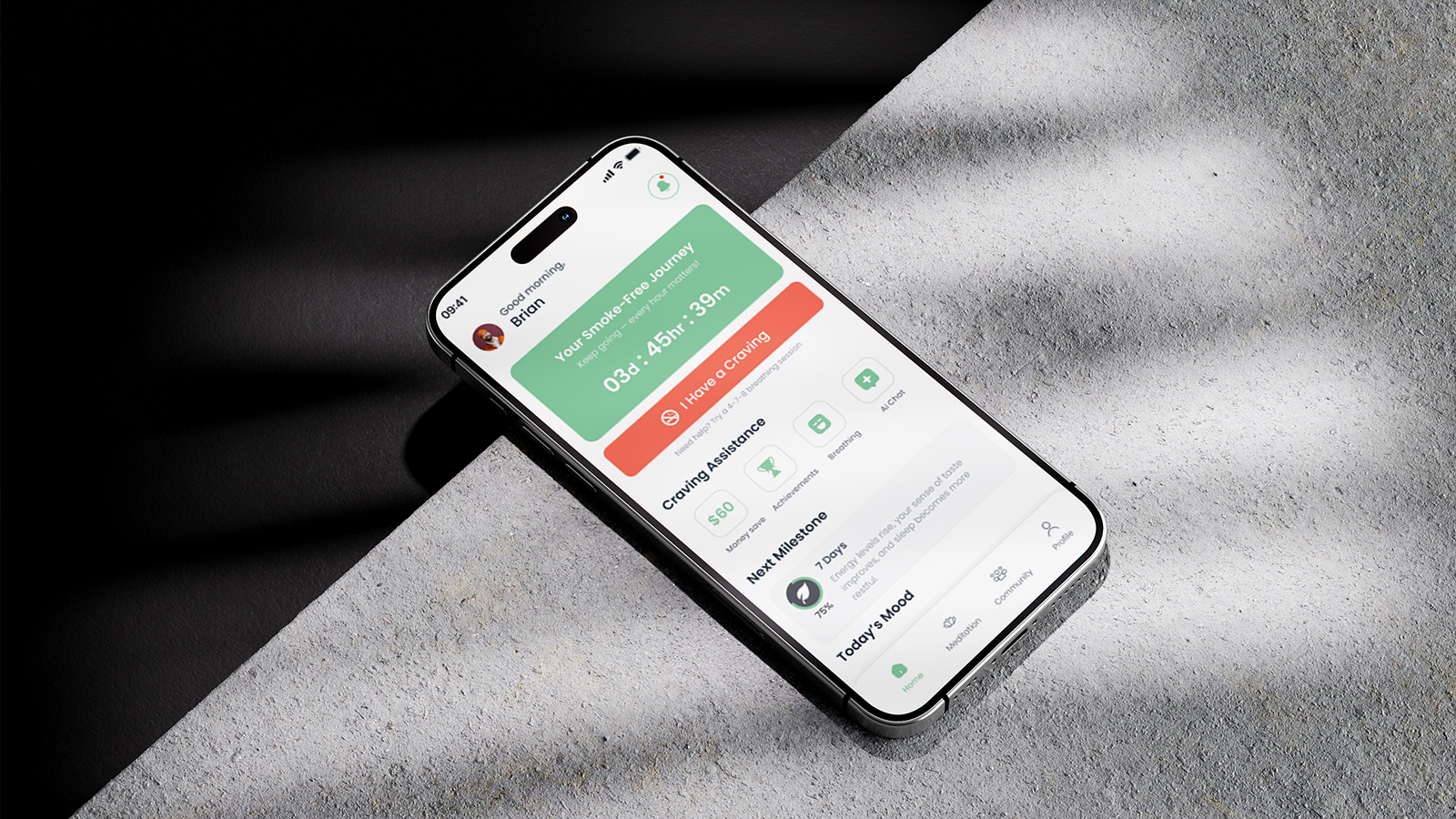
Unpuff is designed to make this quiet recovery more visible and easier to protect. The app helps you track how long you have been smoke-free and how many cigarettes you have avoided, so you can connect your effort with real change in your body.
You can use it to note how you are feeling physically and emotionally as time goes on. Looking back, you may realise that the cough you had in the first weeks is now far less frequent, that your sleep has improved, or that your energy has lifted compared to when you started.
On days when you are tempted to throw everything away because you feel stressed or discouraged, having a clear record of what your body has already gained makes it much harder to justify going straight back to old habits. You can see, in black and white, what you are protecting.
Quitting smoking is not only about avoiding illness in the distant future. It is about giving your body the chance to change, grow stronger and feel better in the months ahead. Your cough easing, your breath returning and your energy growing are not accidents. They are signs of recovery. Unpuff is there to help you notice them, value them and keep moving towards a healthier version of yourself.