Why Quitting Feels Impossible (It’s Not Your Willpower, It’s Nicotine)
Lorem ipsum dolor sit amet
.jpg)
Why Quitting Feels Impossible (It’s Not Your Willpower — It’s Nicotine)
If you’ve ever tried to quit and thought:
“What is wrong with me? Why can’t I just stop?”
you’re not alone.
Most people blame themselves when a quit attempt doesn’t work. They think they’re weak, lazy, or “not ready yet.”
The truth is much simpler:
quitting feels hard not because you’re weak, but because nicotine and your habits are strong.
This article explains what’s really going on with cravings and triggers and what you can do about it.

Nicotine Isn’t Just a Habit, It’s Chemistry
Every time you smoke or vape, nicotine reaches your brain in seconds.
It releases chemicals like dopamine the same “reward” chemical involved in things like food, socialising, and pleasure. Over time, your brain learns:
“When I feel bad, this fixes it.”
“When I feel bored, this fixes it.”
“When I feel stressed, this fixes it.”
Your brain starts to expect nicotine regularly. When it doesn’t get it, you feel:
That uncomfortable state is withdrawal. Smoking or vaping makes it go away for a while. That’s why it feels like nicotine is “helping” you, when it’s actually solving a problem it created in the first place.
So no, it’s not just “a bad habit.” There’s real chemistry involved.
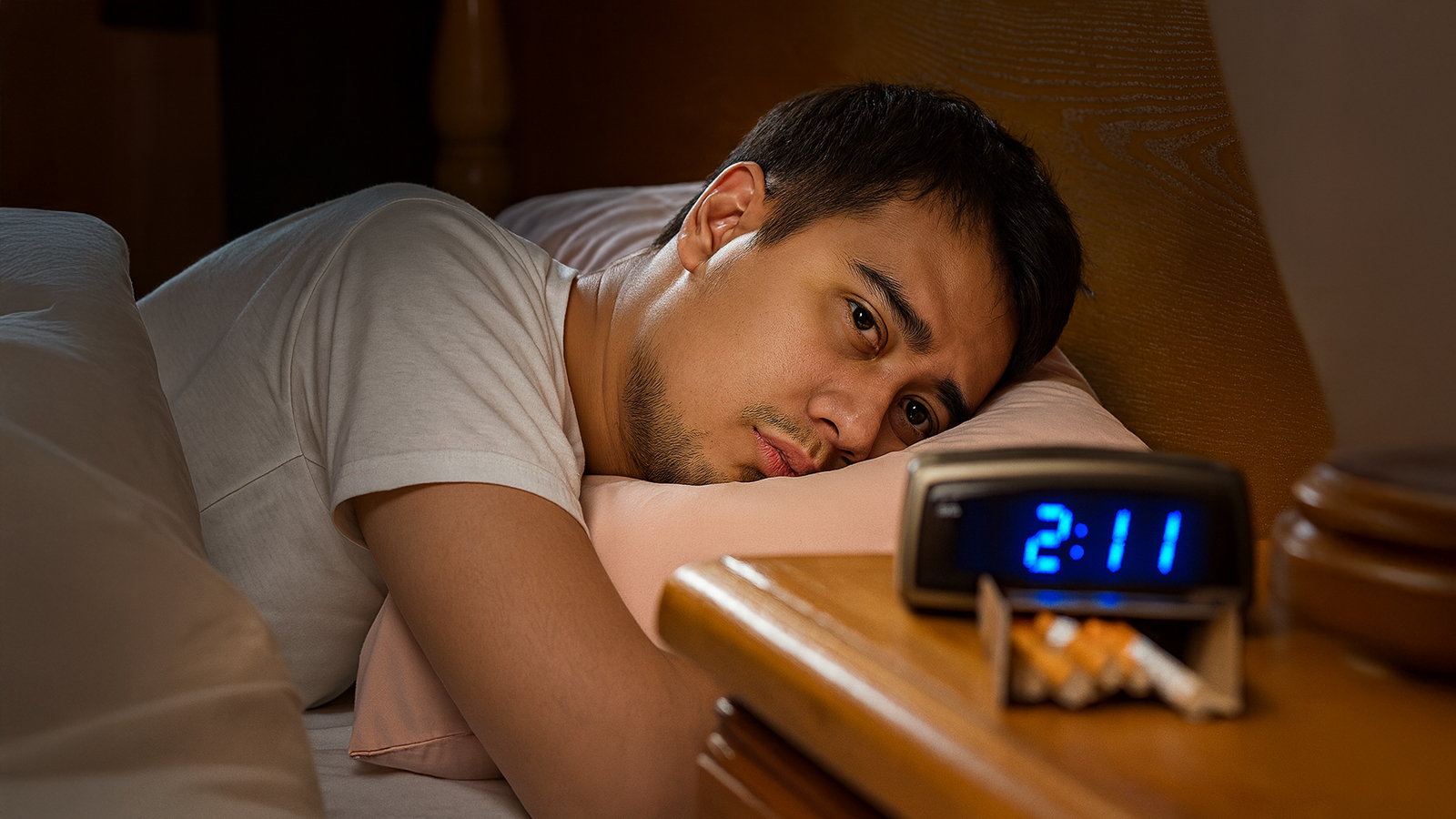
Why Certain Moments Make Cravings Stronger
If you pay attention, you’ll notice cravings don’t hit randomly. They often show up in the same places, times, and emotions:
Those are triggers: people, places, times, and feelings your brain has linked to nicotine.
Your brain has quietly built an automatic script:
“It’s 11am, we’re on break → time for a smoke.”
“We’re stressed → cigarette.”
“We’re with friends outside the bar → cigarette.”
When you try to quit, you’re not just fighting a craving. You’re fighting years of these scripts firing without you even thinking about them.
That’s why you can go a few hours feeling fine, then suddenly feel a huge urge out of nowhere: something triggered the script.

Cravings: Waves, Not Permanent Storms
When a craving hits, it can feel like it will last forever.
In reality, cravings usually:
They often peak within a few minutes, if you don’t feed them.
The problem is most of us never give them a chance to fall. We cut them off by smoking or vaping, so our brain never learns:
“This feeling eventually passes, even if I don’t use nicotine.”
If you can ride out those minutes, the craving almost always drops to a point where it’s much easier to say no.
Practical Ways to Handle Cravings and Triggers
You don’t have to be perfect. You just need a few simple strategies for when cravings show up.
When you feel a craving, pause and quickly ask:
You might notice patterns like:
Once you can name the trigger, it stops feeling like a random attack and starts feeling like something you can plan for.

Tell yourself:
“I don’t have to decide about the rest of my life. I just have to get through the next 3 minutes.”
In those 3 minutes, do something anything different:
Most cravings lose intensity surprisingly fast once you move, breathe, or distract your brain.

If your usual routine is:
Coffee → cigarette
and you try to keep everything the same but remove the cigarette, it feels like something is missing.
Instead, change the routine slightly:
You’re teaching your brain: “In this situation, we do something else now.”
Everyone has a few “high-risk” situations:
Instead of hoping for the best, decide in advance:
Even a simple phrase like “I’ve quit, I’m giving it a go” can take pressure off in social situations.
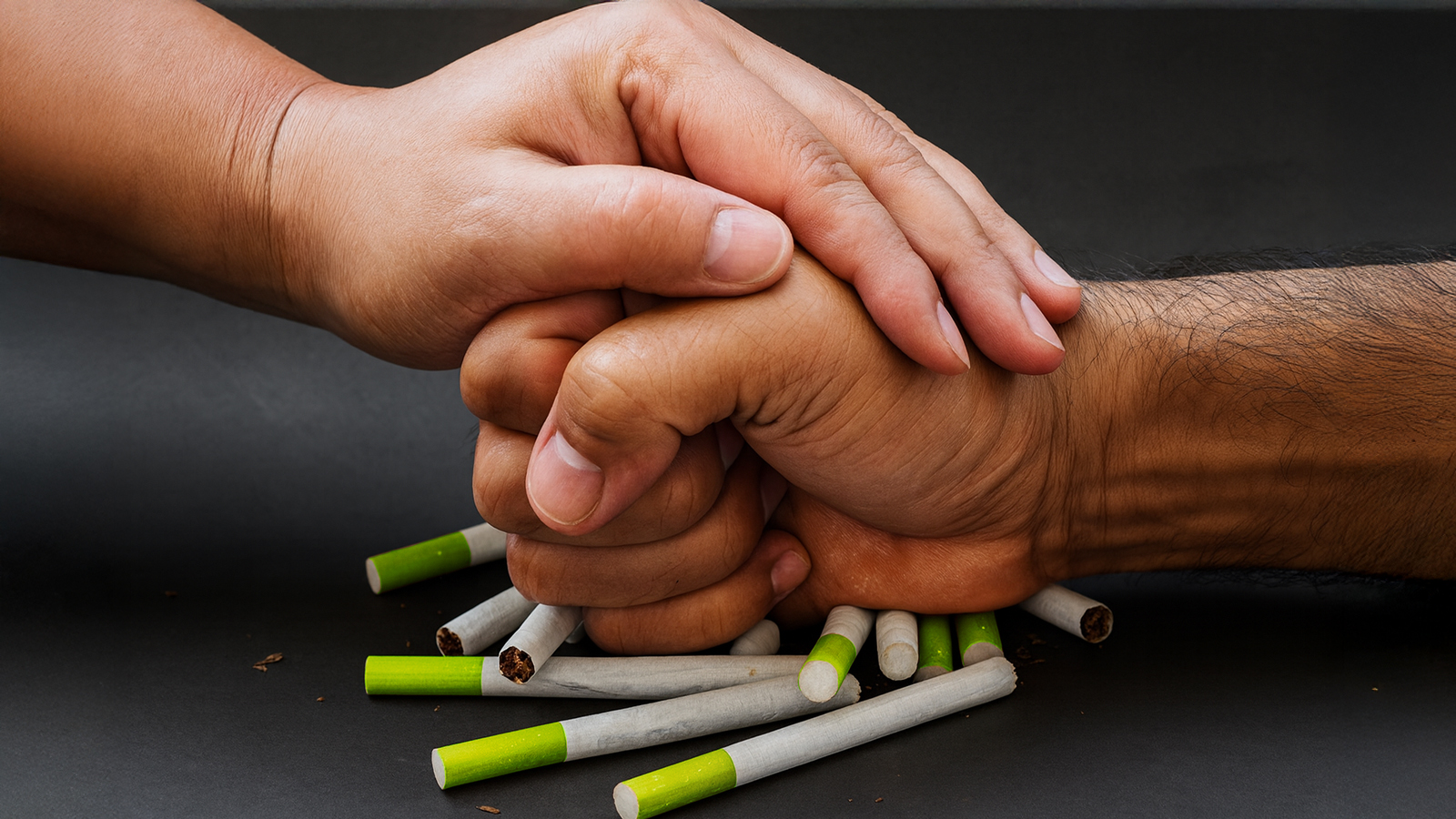
If you’ve tried quitting before and “failed,” it doesn’t mean:
It almost always means:
Quitting is much easier when you stop expecting yourself to be superhuman and start using tools, strategies, and support.
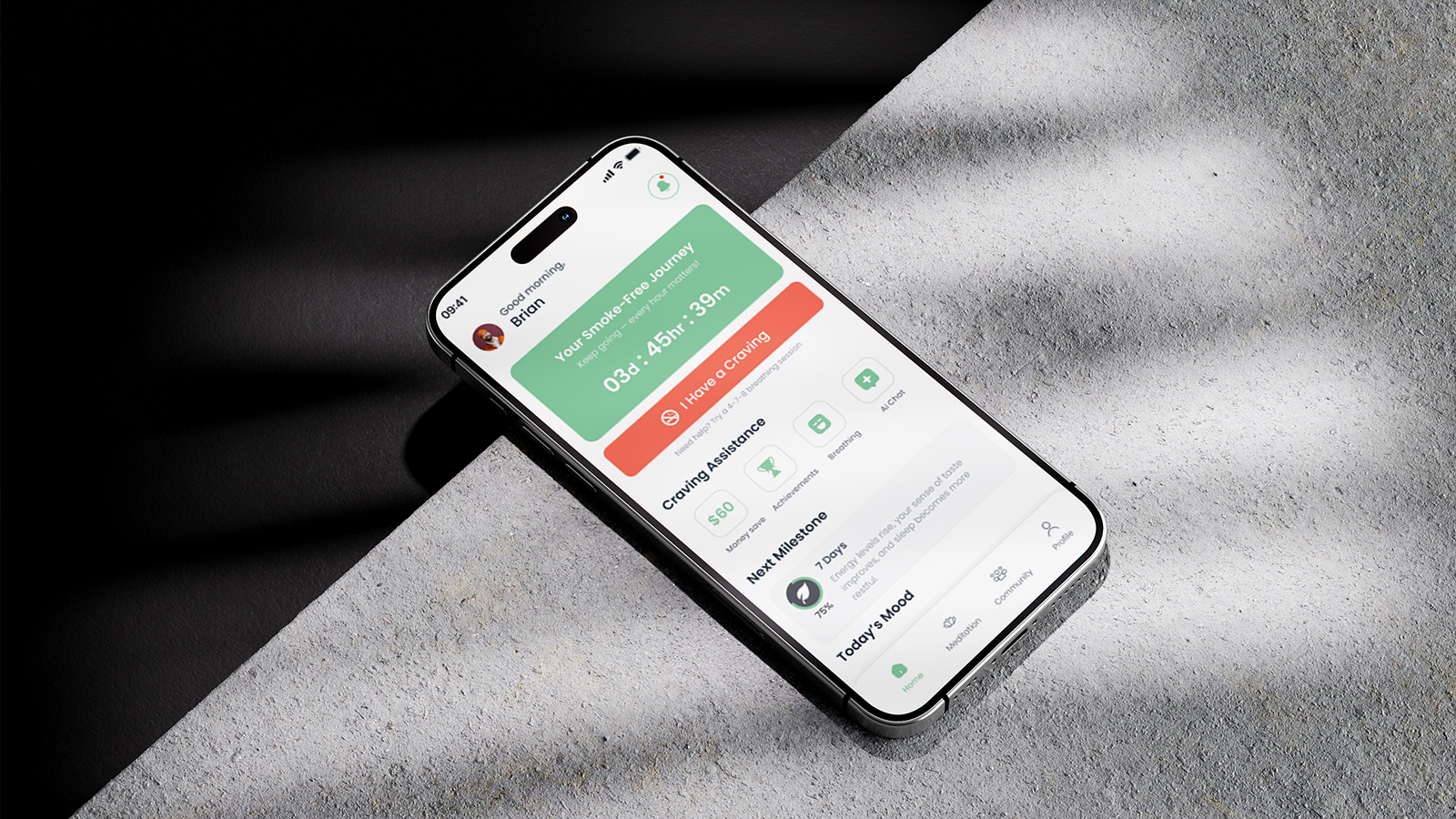
Unpuff is designed specifically around the moments that usually make people relapse.
Inside the app, you can:
You don’t need perfect willpower to quit.
You need support, better tools, and a plan for your cravings and triggers.
That’s exactly what Unpuff is here to help you with.